
 EN
EN



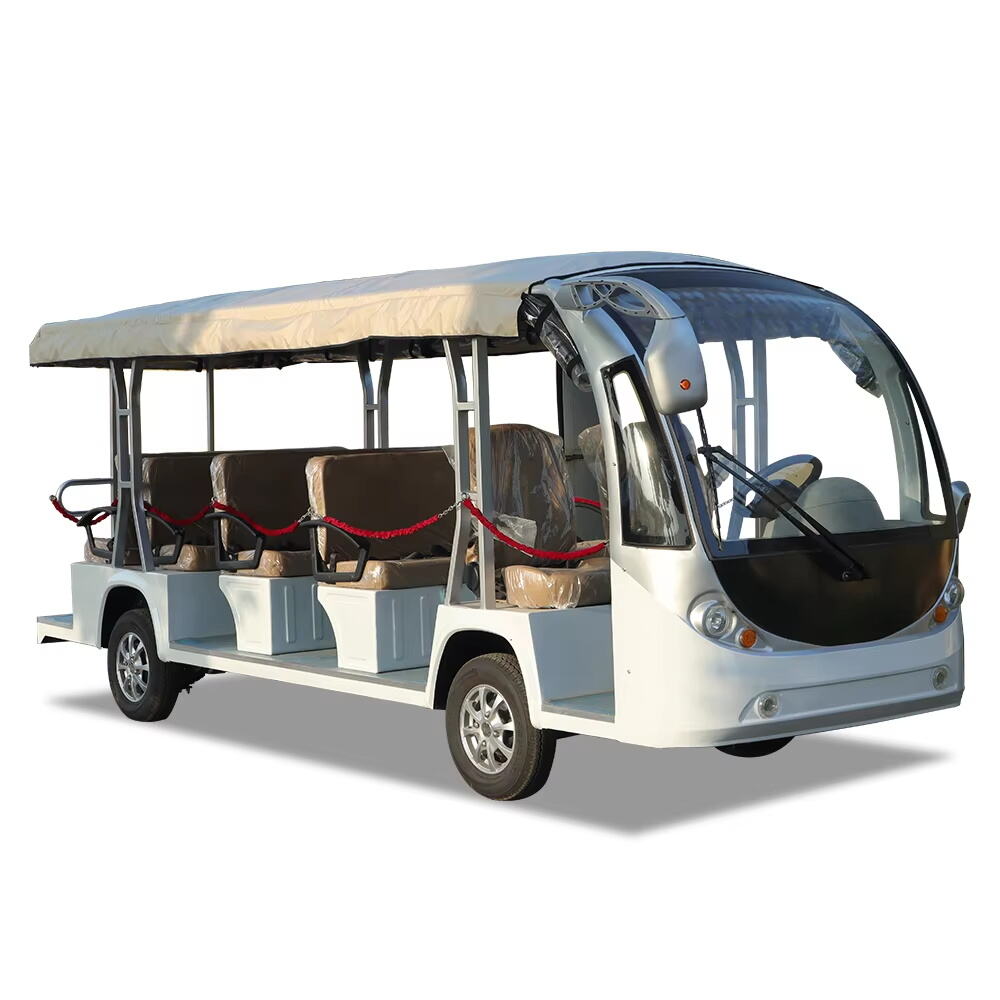
Expanding Tourism Opportunities With Modern Transportation
The tourism industry is rapidly evolving, and transportation plays a central role in creating memorable guest experiences. Electric Buses are becoming a strategic solution for tour operators who want to grow sustainably while reducing operational costs. Whether it is city sightseeing, resort shuttles, or long-distance tours, integrating Electric Buses into your fleet can redefine efficiency and comfort. With the rising emphasis on eco-friendly solutions, operators are increasingly asking themselves how they can scale their fleet without compromising performance. The answer lies in a thoughtful transition toward Electric Buses.
As cities implement stricter emission standards and travelers seek greener choices, the adoption of Electric Buses is no longer a futuristic concept but a present reality. They represent not just a shift in technology but also a shift in mindset, transforming how tourism providers engage with modern travelers. Forward-thinking businesses are using Electric Buses as a tool to expand their offerings while proving their commitment to sustainability.
Understanding The Role Of Electric Buses In Tourism
The Shift Toward Sustainable Travel
Tourism today is more than just sightseeing; it is about creating environmentally conscious experiences. Electric Buses reduce emissions and lower noise levels, providing an eco-friendly way to transport guests. They align with global sustainability goals, allowing operators to attract environmentally aware travelers while meeting future regulatory requirements. This makes Electric Buses a long-term investment in both business growth and social responsibility.
Beyond compliance, sustainability is becoming a core part of the guest decision-making process. More travelers choose operators that demonstrate eco-friendly practices, and Electric Buses serve as a visible proof of this commitment. By showcasing a green fleet, operators not only fulfill regulatory obligations but also meet growing consumer expectations.
Enhancing Guest Comfort With Modern Design
Travelers expect more than just transportation. Electric Buses offer smooth rides, spacious seating, and modern interiors. By upgrading a fleet with Electric Buses, tour operators can significantly improve guest satisfaction. Quiet engines ensure a more pleasant journey, allowing guests to enjoy scenic routes without distractions. The comfort provided by Electric Buses helps strengthen the reputation of any tour service.
Additional features such as onboard charging ports, air-conditioning powered efficiently through the electric system, and panoramic windows for sightseeing can transform a basic transfer into a premium experience. By investing in Electric Buses, tour operators are essentially investing in customer loyalty and repeat business.
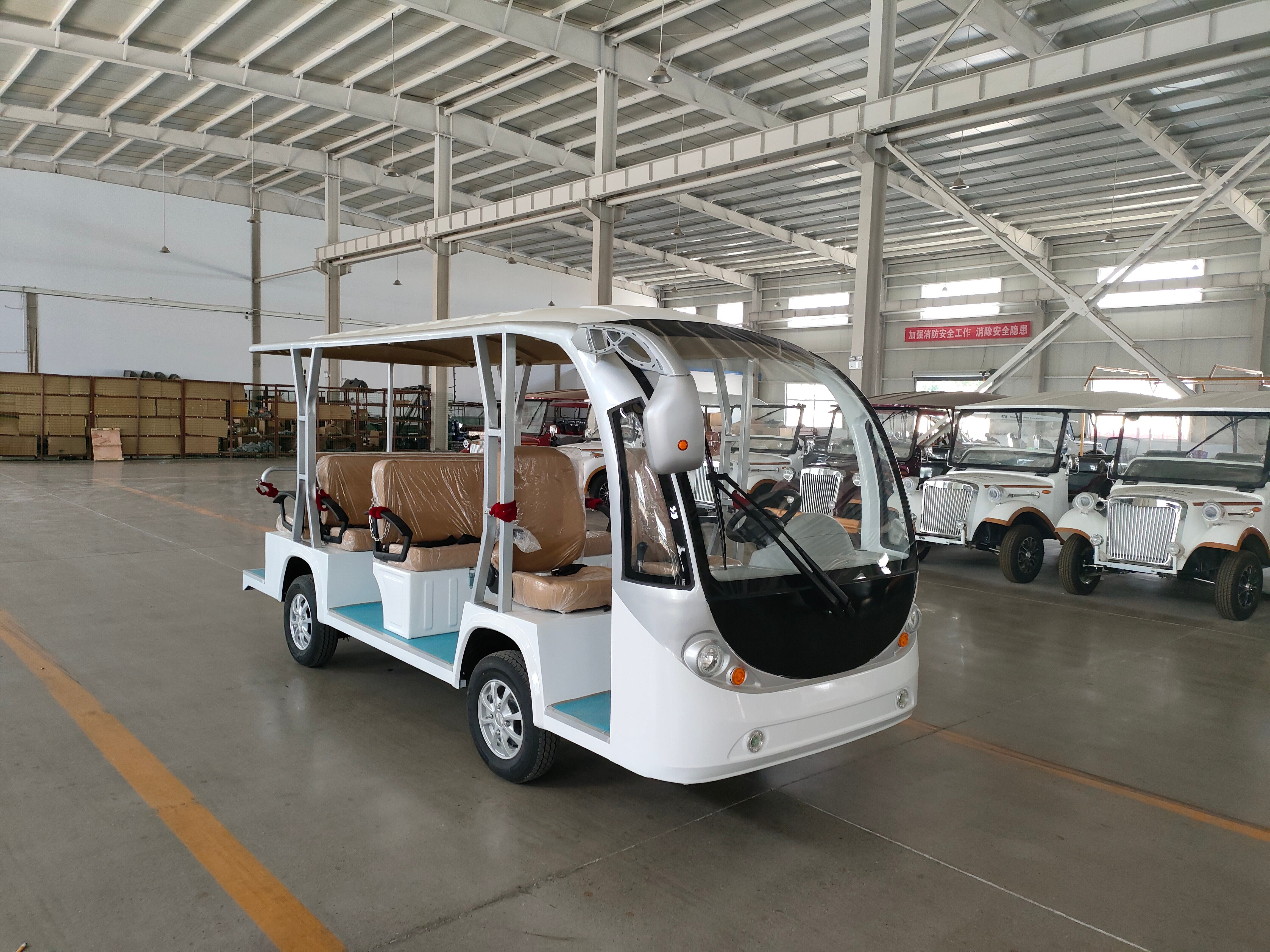
Key Considerations When Scaling With Electric Buses
Assessing Fleet Needs And Route Demands
Before expanding with Electric Buses, operators should carefully analyze their existing fleet requirements. Short urban tours may require compact Electric Buses, while large-scale sightseeing routes demand vehicles with higher seating capacity and extended range. Understanding the demand ensures that investment in Electric Buses aligns with long-term service goals.
Data analysis can play a vital role in making these decisions. By tracking passenger volume, travel distances, and seasonal peaks, operators can identify which routes are most suitable for electrification. This ensures that resources are allocated efficiently, maximizing the benefits of Electric Buses.
Balancing Cost And Efficiency
Cost remains a central consideration in scaling any tour fleet. While the initial price of Electric Buses may be higher than traditional models, operators must evaluate long-term benefits. Reduced fuel costs, lower maintenance needs, and extended battery life contribute to significant savings. Tour companies that adopt Electric Buses gain a competitive advantage by minimizing operational expenses over time.
Additionally, operators can explore financing options, partnerships, or leasing programs to manage upfront expenses. When seen as a long-term asset, Electric Buses often prove more cost-effective than conventional buses, especially in high-use fleets.
Operational Advantages Of Electric Buses
Simplifying Maintenance And Service Life
Electric Buses have fewer moving parts compared to conventional vehicles, which translates to fewer breakdowns and lower maintenance requirements. Routine servicing becomes more predictable, saving operators time and resources. This reliability allows tour operators to focus more on guest experiences rather than vehicle downtime.
The durability of electric drivetrains also extends the service life of vehicles, reducing the need for frequent replacements. This makes scaling with Electric Buses not just a short-term improvement but also a long-term strategy for fleet stability.
Reducing Environmental Impact
One of the strongest advantages of Electric Buses is their ability to reduce carbon emissions. Cities and tourism hubs increasingly encourage the use of green transportation, and fleets with Electric Buses benefit from positive branding. Operators that adopt clean energy solutions position themselves as industry leaders committed to sustainable practices.
For tourism destinations where air quality is a concern, such as popular heritage sites or urban centers, Electric Buses help preserve the environment while ensuring visitors can still explore comfortably. This dual benefit strengthens the overall value proposition of eco-friendly transportation.
Scaling Strategies For Tour Operators
Gradual Transition To Electric Buses
For many operators, switching an entire fleet overnight may not be realistic. A gradual adoption of Electric Buses ensures smoother integration. Operators can start with a few buses on high-traffic routes and expand as infrastructure develops. This step-by-step strategy reduces financial risk while providing immediate environmental and operational benefits.
This strategy also allows staff and drivers to adapt to new technologies without overwhelming training requirements. A phased approach helps identify operational challenges early and provides opportunities to adjust before scaling further.
Leveraging Government Support And Incentives
Many regions provide subsidies, tax reductions, or direct incentives for businesses that invest in Electric Buses. Operators can take advantage of these programs to reduce upfront costs. By carefully aligning business plans with available support, tour companies can scale more efficiently and expand their fleets without excessive financial strain.
Governments increasingly encourage electrification in tourism hubs to meet climate goals, which makes Electric Buses a future-proof investment. By acting early, operators can secure funding and incentives that may not be available once electric adoption becomes standard.
Long-Term Impact Of Electric Buses On Tourism
Building A Strong Brand Identity
Tour operators who embrace Electric Buses strengthen their reputation as forward-thinking, eco-conscious businesses. Travelers are increasingly making choices based on sustainability. By showcasing a commitment to clean energy through Electric Buses, companies create stronger brand loyalty and attract more environmentally responsible customers.
This branding advantage often extends beyond marketing, influencing partnerships, sponsorships, and collaborations with eco-focused organizations. Operators who demonstrate leadership in electric mobility naturally position themselves as preferred partners in sustainable tourism initiatives.
Preparing For Future Market Demands
The tourism industry is continuously evolving, with sustainability shaping future expectations. Electric Buses provide the flexibility and innovation needed to remain relevant in competitive markets. Operators who scale their fleets today are preparing themselves for a future where electric transportation becomes the industry standard.
As charging infrastructure expands and battery technology improves, Electric Buses will become capable of handling longer routes with higher passenger loads. Tour operators who adopt them now will already have the expertise, brand reputation, and operational systems in place to thrive in this next generation of tourism.
FAQ
What are the long-term savings of using Electric Buses in a tour fleet
Electric Buses reduce fuel costs, require less maintenance, and have longer service lives compared to traditional buses. Over time, these factors result in significant financial savings while improving operational efficiency.
How do Electric Buses improve the guest experience
Electric Buses provide quieter rides, comfortable seating, and modern amenities. Guests enjoy smoother transportation and can better appreciate scenic views without noise or vibration from traditional engines.
Are Electric Buses suitable for long-distance tours
Yes, modern Electric Buses are designed with improved battery capacity that allows for extended travel distances. Operators must choose models that fit their route demands to ensure consistent performance.
Can operators expand fleets gradually with Electric Buses
Absolutely. Many operators start with a small number of Electric Buses and gradually increase adoption. This phased approach balances cost, infrastructure availability, and fleet requirements.