
 EN
EN



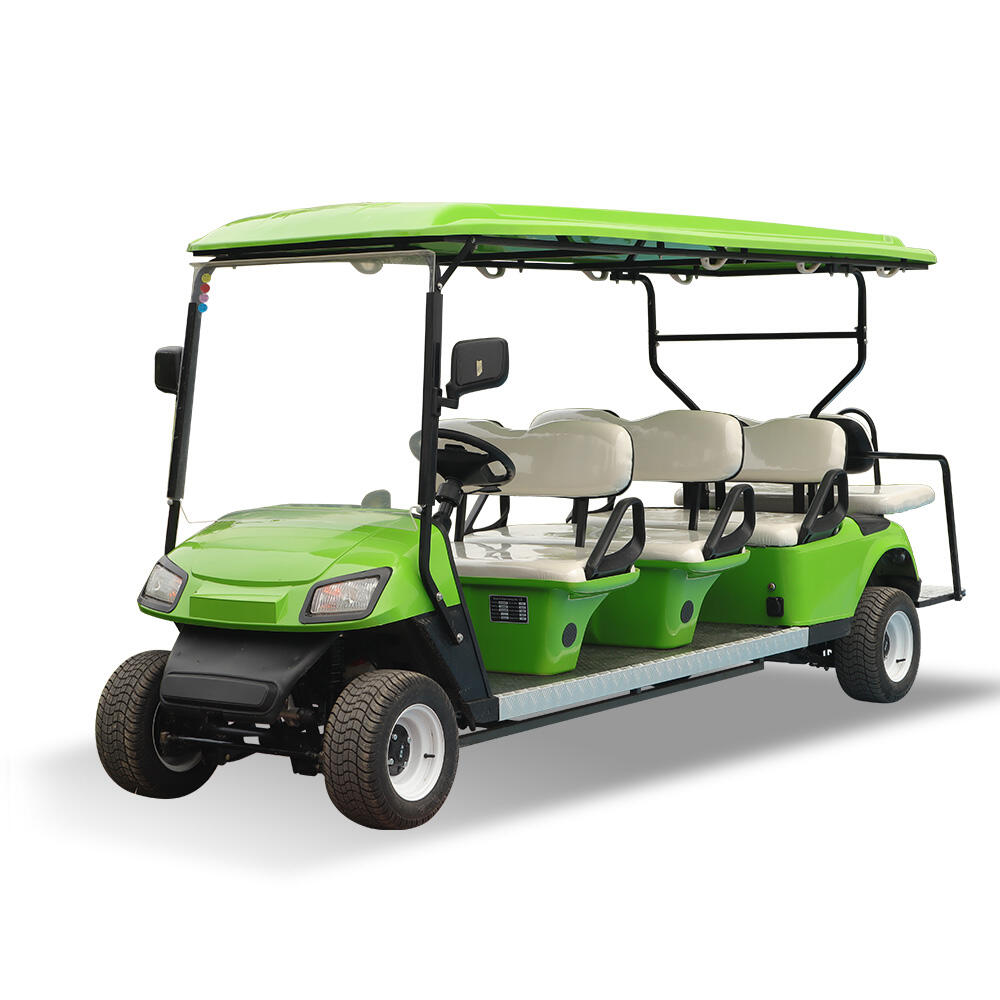
When venturing into challenging outdoor environments for hunting, recreation, or utility work, selecting the right vehicle becomes paramount to success. A robust golf hunting cart represents the perfect fusion of traditional golf cart convenience and rugged off-road capability, designed to navigate diverse terrain conditions that would challenge conventional vehicles. These specialized vehicles combine enhanced suspension systems, powerful motors, and reinforced construction to tackle everything from muddy trails to steep inclines. Understanding the terrain capabilities of a modern golf hunting cart helps outdoor enthusiasts make informed decisions about their equipment investments while ensuring optimal performance across various environmental challenges.
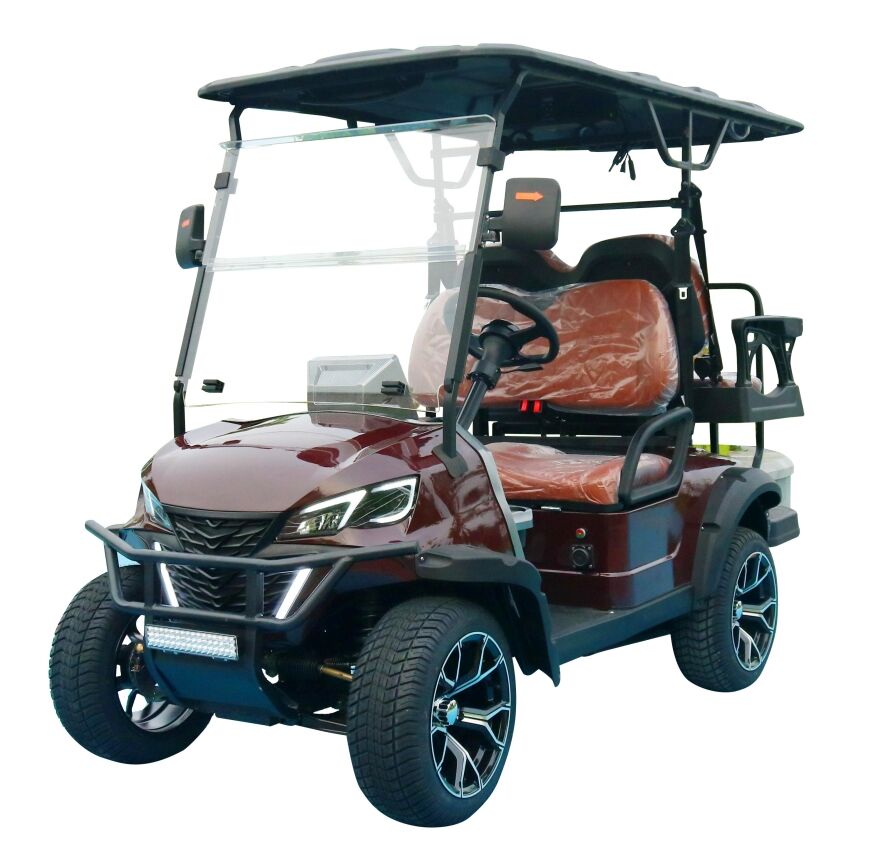
Rocky and Uneven Terrain Performance
Ground Clearance and Undercarriage Protection
Navigating rocky terrain demands exceptional ground clearance and robust undercarriage protection, features that distinguish premium golf hunting cart models from standard alternatives. The elevated chassis design provides sufficient clearance to traverse medium-sized rocks, fallen branches, and irregular surface contours without compromising the vehicle's integrity. Reinforced steel plates protect critical components including the motor housing, battery compartments, and electrical systems from impact damage during rocky terrain navigation.
Advanced suspension systems featuring heavy-duty springs and shock absorbers effectively absorb the impact forces generated when crossing uneven rocky surfaces. This sophisticated suspension technology ensures passenger comfort while preventing mechanical stress that could lead to premature component failure. The combination of high ground clearance and superior suspension allows operators to maintain reasonable speeds even across challenging rocky landscapes.
Tire Technology and Traction Systems
Specialized tire technology plays a crucial role in rocky terrain performance, with many golf hunting cart models equipped with aggressive tread patterns designed for maximum grip and stability. These heavy-duty tires feature reinforced sidewalls and puncture-resistant compounds that withstand sharp rocks and debris encountered in rugged environments. The larger tire diameter common in hunting cart applications provides improved obstacle clearance and enhanced traction across loose rock surfaces.
Some advanced models incorporate differential locking systems or all-wheel-drive configurations that distribute power effectively across uneven terrain. These traction enhancement systems prevent wheel spin on loose rocks while maintaining forward momentum during challenging climbs. The combination of specialized tires and intelligent power distribution enables confident navigation across terrain that would challenge traditional recreational vehicles.
Muddy and Wet Condition Capabilities
Water Resistance and Electrical Protection
Operating a golf hunting cart in muddy and wet conditions requires sophisticated waterproofing systems that protect electrical components from moisture damage. Modern hunting carts feature sealed battery compartments, waterproof motor housings, and protected wiring harnesses that maintain functionality even during exposure to rain, puddles, and muddy conditions. These weatherproofing measures ensure reliable operation across diverse environmental conditions without compromising performance or safety.
Advanced drainage systems integrated into the chassis design prevent water accumulation in critical areas while allowing proper ventilation for cooling systems. The elevated electrical components and sealed connections minimize the risk of short circuits or corrosion damage that could result from prolonged exposure to moisture. This comprehensive water resistance enables confident operation during adverse weather conditions or when crossing shallow water obstacles.
Traction Control in Slippery Conditions
Maintaining traction in muddy conditions requires specialized design features that maximize grip while preventing excessive wheel spin. The aggressive tread patterns on hunting cart tires feature deep grooves and self-cleaning designs that shed mud effectively while maintaining contact with the underlying surface. Wide tire footprints distribute vehicle weight more evenly, reducing ground pressure and minimizing the tendency to sink into soft muddy terrain.
Electronic traction control systems available on premium models automatically adjust power delivery to individual wheels based on detected slip conditions. This intelligent power management prevents excessive wheelspin that could cause the vehicle to become stuck while maximizing available traction. The combination of mechanical and electronic traction aids enables successful navigation across challenging muddy terrain that would immobilize conventional vehicles.
Hill Climbing and Steep Terrain Navigation
Motor Power and Torque Characteristics
Successful hill climbing requires substantial motor power and torque characteristics specifically tuned for challenging terrain applications. High-performance electric motors designed for golf hunting cart applications deliver consistent power output across wide RPM ranges, ensuring adequate climbing ability on steep inclines. These motors generate maximum torque at low speeds, providing the pulling power necessary for steady ascents without excessive battery drain.
Advanced motor controllers optimize power delivery based on terrain conditions, automatically adjusting output to maintain consistent speeds during climbs while protecting the drivetrain from overload conditions. Regenerative braking systems capture energy during descents, extending operational range while providing controlled deceleration on steep downhill sections. This sophisticated power management ensures reliable performance across diverse elevation changes encountered in hunting and recreational applications.
Stability and Weight Distribution
Maintaining stability during hill climbing requires careful attention to weight distribution and center of gravity management. Golf hunting cart designs incorporate low-mounted battery systems that lower the overall center of gravity, reducing rollover risk during side-hill traverses or steep climbs. The wide wheelbase configuration provides additional stability while the reinforced frame construction handles the increased stress loads generated during challenging climbs.
Anti-rollback systems prevent unwanted backward movement during hill starts, allowing operators to maintain position on steep grades without continuous accelerator input. Hill descent control systems automatically limit downhill speeds through controlled braking, preventing dangerous acceleration on steep descents. These safety features enable confident operation across varied topography while protecting both passengers and equipment from potential hazards.
Sand and Loose Surface Performance
Flotation and Surface Pressure Management
Operating effectively on sandy or loose surfaces requires specialized design considerations that maximize flotation while maintaining forward progress. Wide, low-pressure tires distribute vehicle weight across larger surface areas, reducing the tendency to sink into loose sand or soft soil conditions. The tire pressure flexibility allows operators to adjust ground contact pressure based on surface conditions, optimizing performance for specific terrain types.
Lightweight construction combined with powerful motor systems enables effective operation across loose surfaces without excessive ground penetration. The balanced weight distribution prevents excessive rear-end sinking during acceleration while maintaining steering control on shifting surfaces. These design features enable successful navigation across beach sand, loose dirt roads, and similar challenging surface conditions commonly encountered in hunting environments.
Power Delivery and Wheel Spin Control
Effective sand operation requires careful power delivery management that maximizes traction while minimizing destructive wheel spin. Progressive throttle response systems allow operators to modulate power application based on surface feedback, preventing excessive wheelspin that could cause the vehicle to dig itself into loose surfaces. Smooth power delivery characteristics maintain momentum across shifting sand while preserving battery life during extended operations.
Advanced traction control systems monitor individual wheel speeds and automatically reduce power to spinning wheels while transferring torque to wheels with better grip. This intelligent power management maintains forward progress across challenging loose surfaces without requiring constant operator intervention. The combination of mechanical design features and electronic controls enables confident operation across diverse sandy and loose terrain conditions.
Forest and Trail Navigation
Maneuverability and Turning Radius
Forest trail navigation demands exceptional maneuverability characteristics that enable tight turns around obstacles while maintaining stability on narrow paths. Compact wheelbase designs reduce turning radius requirements, allowing navigation through dense forest trails and around trees that would block larger vehicles. Responsive steering systems provide precise control during low-speed maneuvering while maintaining stability at higher speeds on open trails.
The narrow overall width typical of golf hunting cart designs enables passage through restricted trail widths while the robust construction handles contact with brush and vegetation. Protective body panels and reinforced components withstand scratches and impacts from overhanging branches and trail-side vegetation. These design features enable access to remote hunting locations and recreational areas that remain inaccessible to conventional vehicles.
Obstacle Clearance and Approach Angles
Successful trail navigation requires adequate obstacle clearance capabilities and optimized approach angles that enable crossing logs, ditches, and other common trail obstacles. High ground clearance combined with appropriate approach and departure angles allows the vehicle to climb over moderate obstacles without high-centering or becoming stuck. The reinforced front and rear bumper systems provide additional protection during obstacle contact while maintaining structural integrity.
Flexible suspension systems accommodate sudden elevation changes and impacts encountered during trail navigation while maintaining passenger comfort. The suspension travel range enables the vehicle to conform to irregular trail surfaces while keeping all wheels in contact with the ground for maximum traction. This adaptability ensures reliable progress across diverse forest trail conditions while protecting both vehicle and occupants from excessive jarring.
Weather Resistance and Seasonal Adaptability
Cold Weather Performance
Operating a golf hunting cart during cold weather conditions requires specialized systems that maintain performance despite reduced temperatures. Advanced battery heating systems ensure optimal power output during cold weather operations while protecting battery cells from temperature-related damage. Insulated battery compartments and thermal management systems maintain operating temperatures within acceptable ranges even during extended cold weather exposure.
Cold-weather tire compounds maintain flexibility and traction characteristics across wide temperature ranges, ensuring reliable grip on frozen or snow-covered surfaces. Sealed electrical connections and weatherproof components prevent moisture infiltration that could cause failures during freeze-thaw cycles. These cold-weather adaptations enable year-round operation across diverse climate conditions commonly encountered in hunting applications.
Hot Weather and Dust Protection
Desert and hot weather operations present unique challenges that require specialized cooling and dust protection systems. Enhanced motor cooling systems dissipate heat effectively during high-temperature operations while protected air intakes prevent dust infiltration that could damage internal components. Sealed bearing systems and filtered ventilation maintain component integrity despite exposure to dusty conditions commonly encountered in arid environments.
UV-resistant body panels and protective coatings withstand prolonged sun exposure without degradation while maintaining structural integrity across wide temperature ranges. Heat-reflective surfaces and ventilated designs minimize internal temperature buildup during hot weather operations. These protective measures ensure reliable performance across extreme temperature conditions while extending component service life.
Load Capacity and Utility Performance
Weight Distribution and Cargo Handling
Effective utility performance requires sophisticated load management systems that maintain vehicle stability while maximizing cargo capacity. Reinforced cargo bed construction handles substantial loads while the low loading height facilitates easy cargo access. Strategic weight distribution systems maintain proper balance even with uneven loads while the robust suspension handles increased weight without compromising ride quality.
Integrated tie-down systems secure cargo during transport across rough terrain while removable tailgates enable oversized load accommodation. The versatile cargo bed design accommodates hunting equipment, tools, and supplies while maintaining passenger seating capacity. These utility features enable the golf hunting cart to serve multiple roles from transportation to equipment hauling across diverse terrain conditions.
Towing Capacity and Trailer Integration
Many golf hunting cart models offer substantial towing capacity that extends utility capabilities beyond basic cargo transport. Heavy-duty receiver hitches handle substantial tongue weights while integrated trailer brake controllers manage larger trailer loads safely. The powerful motor systems provide adequate reserve power for trailer pulling even across challenging terrain conditions.
Trailer sway control systems and integrated brake controllers ensure safe trailer handling across diverse terrain conditions while maintaining stability during turns and stops. The robust frame construction handles increased stress loads generated during trailer operations without compromising structural integrity. These towing capabilities enable transport of boats, equipment trailers, and other heavy loads across terrain that would challenge conventional towing vehicles.
FAQ
What is the maximum slope angle a golf hunting cart can safely climb
Most high-quality golf hunting cart models can safely navigate slopes up to 25-30 degrees depending on surface conditions and load weight. The actual climbing capability depends on factors including motor power, traction conditions, and vehicle weight distribution. Always consult manufacturer specifications for specific slope limitations and operate within recommended parameters to ensure safety and prevent rollover situations.
How does battery life change when operating across challenging terrain
Battery life typically decreases by 20-40% when operating across challenging terrain compared to flat, smooth surfaces due to increased power demands. Factors affecting battery consumption include slope climbing, loose surface traction, and stop-and-go operation patterns common in hunting applications. Planning routes and carrying spare batteries or portable charging systems extends operational range during extended terrain operations.
Can a golf hunting cart cross shallow water safely
Most golf hunting cart models can safely cross water depths up to 6-8 inches when equipped with proper waterproofing systems. Critical factors include water speed, bottom conditions, and electrical system protection levels. Always avoid crossing flowing water or areas with unknown depths, and ensure proper electrical sealing before attempting water crossings to prevent component damage.
What maintenance is required after operating in muddy conditions
Post-mud operation maintenance should include thorough chassis cleaning, bearing lubrication checks, and electrical connection inspection. Pressure washing removes accumulated mud while avoiding direct spray on electrical components. Regular maintenance after challenging terrain exposure prevents premature wear and ensures continued reliable operation across diverse environmental conditions.