
 EN
EN



A modern létesítmények egyre inkább felismerik a fenntartható közlekedési megoldások fontosságát, és az elektromos golfkocsi a környezettudatos szervezetek körében vezető választássá vált. Üdülőhelyektől kezdve vállalati kampuszokig, ezek a sokoldalú járművek környezetbarát alternatívát nyújtanak a hagyományos benzinüzemű közlekedéssel szemben. Az elektromos mobilitás felé történő áttérés több mint csupán egy divatirányzat; alapvető változást jelent abban, ahogyan a létesítmények környezeti hatásaikat és üzemeltetési hatékonyságukat kezelik.
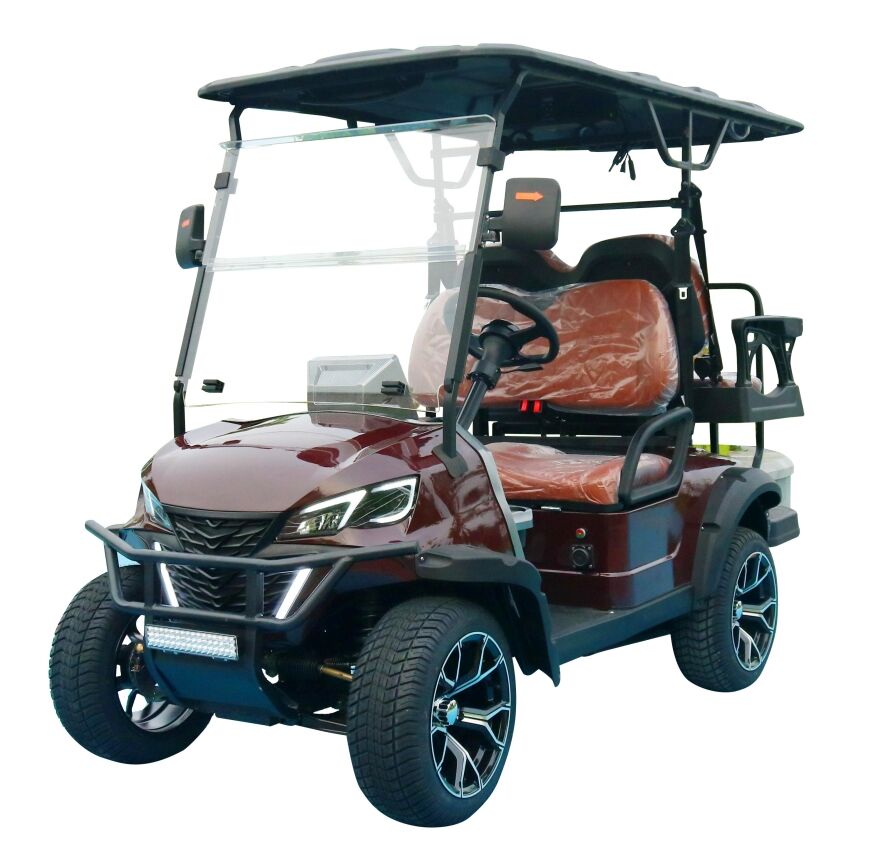
A környezetbarát golfkocsi választásának előnyei messze túlmutatnak az egyszerű kibocsátáscsökkentésen. Ezek a járművek hozzájárulnak a levegő minőségének javításához, a zajszennyezés csökkentéséhez és alacsonyabb szén-dioxid-lábnyom eléréséhez különböző típusú létesítményekben. Ahogy a szervezetek fenntarthatósági célok elérésére törekednek és egyre szigorúbb környezetvédelmi előírásoknak próbálnak megfelelni, az elektromos golfkocsi gyakorlatias megoldást kínál, amely összhangban áll a zöld kezdeményezésekkel, miközben megőrzi az üzemeltetési funkcionáltságot.
Környezeti hatás és fenntarthatósági előnyök
Zéró közvetlen kibocsátás előnye
Az elektromos golfkocsi legjelentősebb környezeti előnye a közvetlen kibocsátások hiánya üzemeltetés közben. Ellentétben a hagyományos benzinüzemű járművekkel, az elektromos modellek nem bocsátanak ki kipufogógázt, szén-monoxidot vagy káros részecskéket üzem közben. Ez a tulajdonság különösen értékes belső terekben, zárt helyeken és olyan területeken, ahol a levegőminőség elsődleges szempont. Az egészségügyi intézmények, oktatási létesítmények és vendéglátóhelyek jelentősen profitálnak ebből a tiszta üzemmenetből.
A közvetlen kibocsátások hiánya hozzájárul a kültéri környezet levegőminőségének javulásához is. Golfpályák, üdülőterületek és nagyvállalati campusok tisztább levegőt tapasztalnak, amikor flottájukat elektromos modellekre váltják. Ez a javulás különösen nyilvánvaló zárt vagy félig zárt területeken, ahol a járművek kipufogógáza felhalmozódhat, és befolyásolhatja a környezeti minőséget és az emberi egészséget.
Csökkentett szénlábgőzképződés az energiahatékonyság révén
Az elektromos golfkocsik rendszerei kiválóbb energiagazdagságot mutatnak a belső égésű alternatívákhoz képest. Az elektromos meghajtás kb. 90% elektromos energiát alakít át mechanikus mozgássá, míg a benzinmotorok általában csak 20-30%-os hatásfokot érnek el. Ez a jelentős különbség az energiaátalakításban közvetlenül csökkenti az összesített széndioxid-kibocsátást, még az erőművi áramtermelés figyelembevételével is.
Mivel az elektromos hálózat egyre inkább megújuló energiaforrásokat – például napelemeket, szélturbinákat és vízerőműveket – von be, az elektromos járművek környezeti előnyei folyamatosan javulnak. Azok a létesítmények, amelyek saját megújuló energiaforrásokat telepítenek, majdnem nulla széndioxid-kibocsátású közlekedést érhetnek el, így valóban fenntartható mobilitási megoldást teremtve, amely összhangban áll a vállalati környezetvédelmi felelősségi célokkal.
Üzemeltetési költséghatékonyság és gazdasági előnyök
Alacsonyabb üzemanyag- és energia költségek
A villamos golfkocsi üzemeltetési költségeinek előnyei azonnal nyilvánvalóvá válnak az üzembe helyezés után. Az áram költsége jelentősen alacsonyabb, mint a benziné kilométerenként, és tipikus megtakarítások 50–70% között mozognak a benzines alternatívákhoz képest. Ezek a megtakarítások idővel tovább halmozódnak, különösen nagy létszámú járműparkot üzemeltető létesítményeknél vagy jelentős napi futásteljesítményt igénylő esetekben.
Az energiaárak stabilabbak és kiszámíthatóbbak, mint a változékony benzinárak, így a létesítmények pontosabban tervezhetik meg szállítási költségeiket. Számos létesítmény kihasználja az alacsony igénybevétel idején érvényes alacsonyabb áramtarifákat is, és a töltést alacsony terhelésű időszakokra ütemezi, tovább csökkentve ezzel az üzemeltetési költségeket. Az időhöz kötött áramtarifák gyakran további megtakarítási lehetőségeket kínálnak a stratégiai töltéskezelés számára.
Csökkentett karbantartási igények
Az elektromos golfkocsik karbantartási igénye lényegesen alacsonyabb, mint a benzinüzemű járműveké. A belső égésű motorok hiánya miatt nincs szükség olajcserére, gyújtógyertya-cserére, légszűrő cseréjére vagy bonyolult motorbeállításokra. Az elektromos motoroknak kevesebb mozgó alkatrésze van, ami csökkenti az elhasználódást, és hosszabb karbantartási időközöket eredményez.
Az akkumulátor-technológia jelentős mértékben fejlődött, a modern lítium-ion rendszerek meghosszabbított élettartamot és csökkentett karbantartási igényt nyújtanak. Számos elektromos golfkocsi-akkumulátor jelenleg öt-tíz év garanciát kínál, minimális karbantartási igénnyel az élettartama alatt. Ez a megbízhatóság csökkenti az állási időt, az alacsonyabb munkaerőköltségeket és javítja az üzemeltetők számára az üzemeltetés előrejelezhetőségét.
Teljesítmény- és funkcionalitási előnyök
Csendes üzemelés előnyei
Az elektromos golfkocsi csendes működése jelentős előnyökkel jár zajérzékeny környezetekben. Kórházak, oktatási intézmények, lakóövezetek és vendéglátóhelyek profitálnak a csökkentett zajszennyezésből, amely javítja a felhasználói élményt, és megőrzi a nyugodt környezetet. Az erőgép nélküli üzemeltetés lehetővé teszi az operátorok és gyalogosok közötti hatékonyabb kommunikációt, így növeli a biztonságot és a működési hatékonyságot.
A zajcsökkentés előnyei kiterjednek a golfpályák és üdülőingatlanok természetvédelmi területeire is. Az elektromos járművek minimális zavarást okoznak a természetes élőhelyekben, támogatva a biodiverzitás-megőrzési erőfeszítéseket, miközben fenntartják a szükséges közlekedési képességeket. Ez a tulajdonság hozzájárul az ökológiai felelősségvállaláshoz, és javítja a létesítmények működésének általános ökológiai hatását.
Növekedett irányítás és pontosság
Az elektromos meghajtások kiválóbb vezérlési jellemzőket nyújtanak a benzinmotorokhoz képest. Az elektromotorok azonnali nyomatékátadása lehetővé teszi a pontos sebességbeállítást, sima gyorsulást és reaktív futóképességet. Ezek a teljesítményjellemzők különösen értékesek olyan alkalmazásokban, ahol gondos manőverezés szükséges, mint például karbantartási műveletek, rendezvények felállítása vagy utasok szállítása zsúfolt területeken.
Sok elektromos Golfkocsi modellben a generátorfék-rendszer további energiatakarékosságot biztosít, miközben javítja a jármű irányíthatóságát. Ez a technológia visszanyeri a fékezés során keletkező energiát, így növeli a hatótávolságot, ugyanakkor sima, ellenőrzött fékezési teljesítményt nyújt. A precíz irányítás és az energia-visszanyerés kombinációja optimális üzemeltetési élményt teremt a létesítményi személyzet számára.
Technológiai integráció és okos funkciók
Fejlett Akkumulátor Kezelő Rendszerek
A modern elektromos golfkocsik rendszerei kifinomult akkumulátor-kezelési technológiákat tartalmaznak, amelyek optimalizálják a teljesítményt, meghosszabbítják az akkumulátor élettartamát, és részletes működési adatokat biztosítanak. Ezek a rendszerek figyelemmel kísérik az egyes cellák teljesítményét, hőmérsékletét és töltöttségi állapotát, így biztosítva az akkumulátor optimális egészségét és biztonságát. A fejlett diagnosztikai képességek lehetővé teszik az üzemeltetők számára, hogy előre jelezzék a karbantartási igényeket, és megelőzzék a váratlan leállásokat.
Az okos töltőrendszerek automatikusan igazítják a töltési paramétereket az akkumulátor állapotának, a környezeti hőmérsékletnek és a használati mintázatoknak megfelelően. Ez az intelligens kezelés meghosszabbítja az akkumulátor élettartamát, miközben biztosítja, hogy a járművek szükség esetén készen álljanak a szolgáltatásra. Számos rendszer távoli figyelési lehetőséget is kínál, amely lehetővé teszi az üzemeltetők számára, hogy központi menedzsment rendszerekből nyomon követhessék a járművek állapotát, helyzetét és teljesítményadatait.
Flottaüzemeltetési rendszer integrációja
Az elektromos golfkocsi-flották integrálhatók a komplex létesítménykezelő rendszerekbe, így valós idejű nyomon követés, használati statisztikák és karbantartási ütemezés biztosítható. A GPS-nyomkövetés hatékony kihelyezést, útvonal-optimalizálást és biztonságfigyelést tesz lehetővé. Ezek a funkciók különösen értékesek nagy létesítmények számára, ahol több járművet kell kezelni kiterjedt területeken.
Az elektromos golfkocsik működéséből származó adatelemzés betekintést nyújt a használati mintákba, az energiafogyasztásba és a működési hatékonyságba. Ezek az információk támogatják a stratégiai tervezést, az erőforrások allokációját és a folyamatos fejlesztési kezdeményezéseket. A létesítménygazdák ezt az adatot felhasználhatják a flotta méretének, a töltőinfrastruktúrának és a működési eljárásoknak a maximális hatékonyság és költséghatékonyság érdekében történő optimalizálására.
Létesítmény-specifikus alkalmazások és előnyök
Egészségügyi és orvosi intézmények
Az egészségügyi létesítmények olyan szállítási megoldásokat igényelnek, amelyek a tisztaságot, a csendes működést és a megbízhatóságot tartják elsődlegesnek. Az elektromos golfkocsi ezeket az igényeket kielégíti, miközben kitűnő manőverezhetőséget biztosít az összetett orvosi kampuszok környezetében. A kibocsátásmentesség miatt ezek a járművek beltéri használatra, sürgősségi beavatkozásokra és betegszállításra is alkalmasak, ahol a levegőminőség kritikus fontosságú.
Az orvosi intézmények gyakran folyamatos üzemben működnek, így az elektromos járművek csendes működése különösen értékes a gyógyulást elősegítő környezet fenntartása szempontjából. Az éjszakai műszakok, a sürgősségi beavatkozások és a korai reggeli tevékenységek is profitálnak a csökkentett zajszintből, amely hozzájárul a betegek kényelméhez és gyógyulásához. Az elektromos rendszerek megbízhatósága és alacsony karbantartási igénye garantálja a folyamatos elérhetőséget a kritikus egészségügyi műveletekhez.
Oktatási intézmények alkalmazásai
Az oktatási intézmények, az általános iskoláktól az egyetemekig jelentősen profitálnak az elektromos golfkocsi-alkalmazásból. Ezek a járművek biztonságos, tiszta szállítást biztosítanak a kampusz biztonsági szolgálatai, karbantartási műveletek és különleges események számára, miközben példát mutatnak a környezeti felelősségvállalásra a diákok és a közösségek előtt. A fenntartható technológia alkalmazásának oktatási értéke messze túlmutat a pusztán szállítási funkciókon.
A kampusz biztonsági működése nagymértékben függ megbízható, manőverezhető járművektől, amelyek gyorsan tudnak reagálni különböző helyzetekre. Az elektromos golfkocsik olyan megbízhatóságot kínálnak, amelyre a biztonsági járőröknek szükségük van, ugyanakkor megőrzik a csendes üzemeltetést, ami minimális zavarást jelent az oktatási tevékenységekhez. Az alacsonyabb üzemeltetési költségek továbbá összhangban állnak az oktatási intézmények költségvetési korlátjaival és pénzügyi felelősségvállalási követelményeivel.
Infrastruktúra és töltési szempontok
Töltőinfrastruktúra fejlesztése
Az elektromos golfkocsi-flotta bevezetése stratégiai tervezést igényel a töltőinfrastruktúra tekintetében, amelynek egyensúlyt kell teremtenie a kényelem, a költségek és az üzemeltetési hatékonyság között. A modern töltőrendszerek számos lehetőséget kínálnak a szabványos fali aljzatoktól kezdve egészen a kizárólagos gyorstöltő-állomásokig. Az üzemeltetőknek fel kell mérniük működési mintáikat, a járművek kihasználtságát és a rendelkezésre álló villamosenergia-kapacitást, hogy optimális töltési megoldásokat tervezhessenek.
A napelemes töltőállomások egyre népszerűbb megoldást jelentenek az ökológiai létesítmények számára, amelyek további szén-dioxid-kibocsátás-csökkentésre törekednek. Ezek a rendszerek teljes mértékben megújuló energiát biztosíthatnak az elektromos golfkocsik üzemeltetéséhez, miközben fenntartható gyakorlatokhoz való elkötelezettséget mutatnak. A napelemes töltés és az elektromos járművek kombinációja igazán fenntartható közlekedési ökoszisztémát hoz létre.
Elektromos Rendszer Integráció
A sikeres elektromos golfkocsi bevezetéséhez gondoskodni kell a meglévő villamos rendszerekkel történő integrációról és a jövőbeni bővítési tervekről. A létesítményeknek értékelniük kell villamos kapacitásukat, elosztó infrastruktúrájukat és terheléskezelési képességeiket, hogy megbízható töltési műveleteket biztosítsanak. Szakmai villamos értékelés és rendszerfrissítések szükségesek lehetnek nagyobb flották telepítésének támogatásához.
Az okos töltőrendszerek integrálhatók a létesítmény energiagazdálkodási rendszereibe, így optimalizálhatók a töltési ütemtervek az elektromos igénybevétel, az időalapú díjszabás és az üzemeltetési követelmények alapján. Ez az integráció maximalizálja a költségmegtakarítást, miközben biztosítja a járművek rendelkezésre állását, amikor szükség van rájuk. A fejlett rendszerek akár részt vehetnek hálózati stabilizálási programokban is, további bevételi lehetőséget kínálva előrelátó létesítmények számára.
Jövőbeli tendenciák és technológiai fejlesztések
Akku Technológia Fejlődés
A telepített technológia területén bekövetkező gyors fejlődés folyamatosan javítja az elektromos golfkocsik rendszereinek teljesítményét, megbízhatóságát és költséghatékonyságát. A lítium-ion akkumulátorok ára drámaian csökkent, miközben az energia-sűrűségük és élettartamuk jelentősen javult. Ezek a tendenciák az elektromos járműveket egyre vonzóbbá teszik hagyományos alternatíváikhoz képest különböző alkalmazások és üzemeltetési körülmények között is.
Az új generációs akkumulátor-technológiák, mint például a szilárdtest rendszerek, még nagyobb javulást ígérnek a biztonságban, az energia-sűrűségben és a töltési sebességben. Ezek a fejlesztések tovább növelik az elektromos golfkocsi-rendszerek értékajánlatát, miközben csökkentik a teljes tulajdonlási költségeket. Azok a létesítmények, amelyek ma befektetnek az elektromos infrastruktúrába, magukat olyan pozícióba helyezik, hogy profitálhassanak ezekből a technológiai újításokból, amint azok kereskedelmi forgalomba kerülnek.
Autonóm és összekapcsolt járművek integrációja
Az elektromos golfkocsi-technológia jövője magában foglalja az autonóm vezetési rendszerekkel és a csatlakoztatott járműhálózatokkal való integrációt. Ezek a képességek még nagyobb üzemeltetési hatékonyságot, biztonsági javulásokat és költségcsökkentést tesznek lehetővé. Az autonóm elektromos golfkocsi-rendszerek ütemezett szállítási szolgáltatásokat nyújthatnak, optimalizálhatják az útvonalakat a valós idejű körülmények alapján, és integrálhatók az épületmenedzsment rendszerekbe a zökkenőmentes működés érdekében.
A csatlakoztatott járművek technológiái előrejelző karbantartást, valós idejű diagnosztikát és távoli rendszerfrissítéseket tesznek lehetővé, amelyek tovább csökkentik az üzemeltetési költségeket és növelik a megbízhatóságot. Ezek a funkciók a fenntartható létesítményi közlekedés következő fejlődési szintjét jelentik, ötvözve a környezeti előnyöket az új generációs technológiával, hogy átfogó mobilitási megoldásokat hozzanak létre.
GYIK
Mekkora az elektromos golfkocsi tipikus hatótávolsága egyetlen töltéssel?
A modernabb elektromos golflabdahordozó modellek normál üzemeltetési körülmények között egyetlen feltöltéssel 40-65 km-es hatótávot biztosítanak. A hatótávolságot befolyásoló tényezők közé tartozik az akkumulátor kapacitása, a jármű tömege, a terepviszonyok, az időjárási körülmények és a vezetési mintázat. A használati célokra tervezett nehézüzemű modellek rövidebb hatótávval rendelkezhetnek a nagyobb teherbírás miatt, míg a könnyű személyszállító modellek gyakran elérhetik a hatótáv-tartomány felső határát. A fejlett akkumulátor-kezelési rendszerek optimalizálják a hatótávot azáltal, hogy figyelemmel kísérik a használati mintákat, és valós idejű hatékonysági visszajelzést adnak a kezelőknek.
Mennyi idő alatt töltődik fel egy elektromos golflabdahordozó akkumulátora?
A töltési idő a telep típusától, a töltő készülék jellemzőitől és az akkumulátor jelenlegi állapotától függ. A szabványos töltés általában 6–8 órát vesz igénybe teljes töltési ciklus során, míg a gyorstöltő rendszerek ezt 2–4 órára csökkenthetik. A legtöbb létesítmény a töltést csúcsidőn kívüli vagy éjszakai időszakra ütemezi, hogy kihasználhassa az alacsonyabb villamosenergia-árakat, és biztosíthassa a járművek napi üzemre való készségét. Az okos töltőrendszerek automatikusan kezelhetik a töltési ütemtervet a költségek és az akkumulátor élettartamának optimalizálása érdekében.
Milyen karbantartás szükséges az elektromos golfkocsik rendszereihez?
Az elektromos golfkocsik karbantartása jelentősen egyszerűbb, mint a benzinüzemű alternatíváké. A rendszeres karbantartás tartalmazza az akkumulátor ellenőrzését és tisztítását, a gumiabroncsok nyomásának ellenőrzését, a fékrendszer vizsgálatát, valamint az elektromos csatlakozók időszakos tisztítását. A hagyományos ólom-savas rendszerekhez szükséges az akkumulátor vízzel töltése, míg a lítium-ion akkumulátorok minimális karbantartást igényelnek. A legtöbb elektromos golfkocsi rendszer évente vagy 1000–1500 üzemóra után igényel szakszerű karbantartást, attól függően, hogy milyen körülmények között használják, és a gyártó ajánlásaitól függően.
Hatékonyan működhetnek-e az elektromos golfkocsik minden időjárási körülmény között?
A modern elektromos golfkocsik tervezett módon hatékonyan működhetnek legtöbb időjárási körülmény között megfelelő előkészítéssel és felszereléssel. A hideg idő csökkentheti az akkumulátor teljesítményét és a hatótávolságot, míg a meleg idő befolyásolhatja az akkumulátor élettartamát, ha nem megfelelően kezelik. Számos modell rendelkezik időjárásálló tulajdonságokkal, zárt vezetőfülkével, valamint fűtési/hűtési lehetőségekkel a kezelő kényelme érdekében. A megfelelő tárolás és az akkumulátor karbantartása szélsőséges időjárási viszonyok között hozzájárul az évenkénti megbízható működéshez. A kemény klímájú területeken lévő létesítményeknek fontolóra kell venniük az adott üzemeltetési környezetükhöz speciálisan tervezett modelleket.
Tartalomjegyzék
- Környezeti hatás és fenntarthatósági előnyök
- Üzemeltetési költséghatékonyság és gazdasági előnyök
- Teljesítmény- és funkcionalitási előnyök
- Technológiai integráció és okos funkciók
- Létesítmény-specifikus alkalmazások és előnyök
- Infrastruktúra és töltési szempontok
- Jövőbeli tendenciák és technológiai fejlesztések
-
GYIK
- Mekkora az elektromos golfkocsi tipikus hatótávolsága egyetlen töltéssel?
- Mennyi idő alatt töltődik fel egy elektromos golflabdahordozó akkumulátora?
- Milyen karbantartás szükséges az elektromos golfkocsik rendszereihez?
- Hatékonyan működhetnek-e az elektromos golfkocsik minden időjárási körülmény között?