
 EN
EN



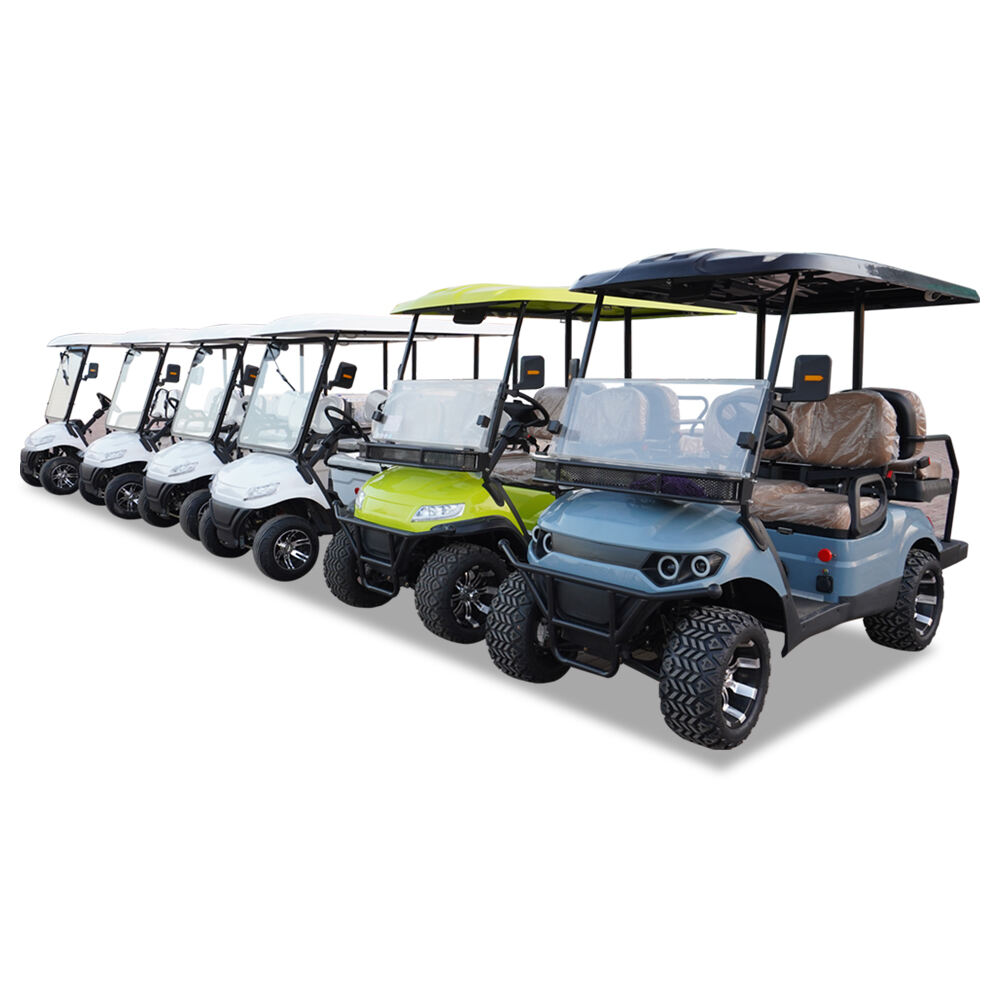
Campi golfici conditiones unicas terrae offerunt quae varia transportis genera experiri possunt. Cum de performance in variis regionibus iudicatur, carrus electricus golficus solutionem elegantiorem ostendit, quae ad altitudines magnas et longas distantias cum efficacia mirabili tractandas creata est. Carrī electricī golficī hodiernī multum a primitivis suis profecti sunt, technologiam tamen batters novam, motus validos et systemata intellegentis gestionis electricitatis includentes, quae operationem constantem praebebant, quamcumque topographiam campi.
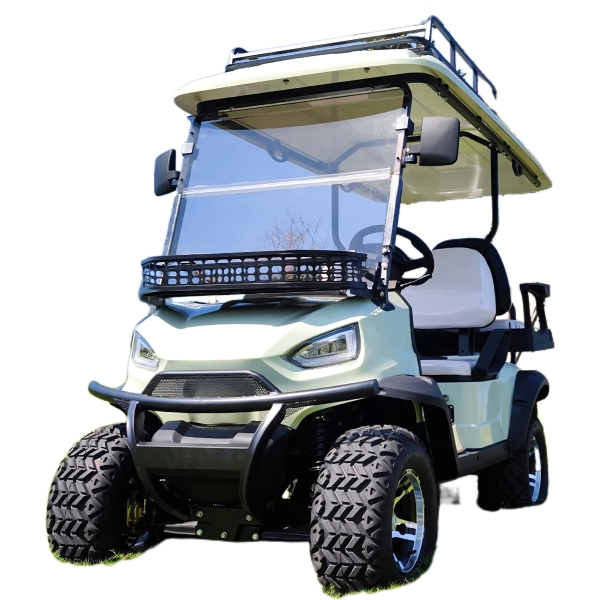
Praestantiae vehiculorum electricorum pro luderennis hodiernorum longe amplius patet quam simplicis transportandi necessitates. Haec instrumenta novissima ingeniaria complectuntur quae ad exigentias speciales difficilium luderennorum ambientium respondent. A capacitate bateriae usque ad distributionem momenti motoris, singula elementa concordes operantur ut operationem certam per varias terrarum species firmant. Harum praestantiarum cognitio magistratibus luderennorum, curatoribus aedium, et privatis permittit de rebus transportationis suis recta consilia capere.
Systemata Potestatis et Praestantia Motoris
Technologia Motoris Progressa
Cor quodlibet vehiculi electrici ad altum rendimentum in ambitu golf insitum est in systemate motus, quod directe influat in facultatem scandendi et constantem potestatis distributionem. Moderna vehicula electrica utuntur motoribus currentis directae sine spazzulis, qui efficientiam superiorem praebent comparata his cum spazzulis. Hi motus progressi maiorem virium momenti efficiunt simulque temperaturas operationis minores servant, quae res essentiales sunt ubi terraina ardua vel longissima spatia percurrentur absque degeneratione rendimenti.
Potestas motorum in praeclaris vehiculis electricis inter 3000W et 5000W variat, quibusdam modis specialibus etiam altioribus specificatiunculis instructis. Haec vis considerable efficiendi permittit rendimentum constans in planis usque ad 25 gradus, quod operationem aequabilem servat etiam in difficillimis iterum pratis colinosis. Systemata intellegentiae regulationis motoris automata distributio potentiae secundum oneris rationes mutant, ita ut rendimentum et consumptio energiae per iter optimizentur.
Ars et Copia Bateriae
Prestatio bateriae fundamentaliter determinat spatium et fidem carriolae electricae in condicionibus cursus exigentibus. Systemata bateriarum litio-ionis vim usus carrucae electricae revolutionarunt, praebendo densitatem energiae superiorem, tempora citius reincendiandi, et vitam operationalem prolongatam respectu antiquorum systematum plumbi-acidi. Pili bateriae magnae capacitates, saepissime inter 48V et 72V variantes, vim sustinendam ad ascensum collium et iter longum necessariam praebent.
Systemata provecta administrationis bateriae praestationem singillarum cellarum, regulacionem temperaturae, et distributionem reincendi observant ut efficaciam maxime efficiant et perditum virium in operationibus exigentibus prohibeant. Haec systemata intellegentia firmant ut electricum Golf Cart usum prolongatum per tempora continua firme operetur, sive difficultates terrenorum sive conditiones distantiae adsint.
Facultas Ascendendi Colles
Distributio Torquis et Regulatio Tractionis
Ascensus montis optime succedit, si torque motoris efficaciter per systemata tractus meliorata ad terram transferatur. Carruculae golficae electricae praeclaras habent systemata differentialia quae vim aequabiliter per omnes rotas distribuunt, praestantes ne rotae labant et momentum in ascensibus arduis serventur. Systemata quattuor trahentium rotarum praebent ulteriores praerogativas tractus, quae maxime utiles sunt in superficiebus humidis aut incohaerentibus, quales in campis golficis frequenter reperiuntur.
Systemata electronica stabilitatis amplius augent facultatem ascendendi colles, vires singulis rotis secundum conditiones tractus aptantes. Haec systemata nimiam rotationem rotarum prohibent, interea efficientiam optimum in ascensu servant, ita ut carrucula electrica gradus difficiles tutis et confidenter aggrediatur. Ratio tractus profectior etiam usum rotarum minuit atque vitae componentium patrocinatur, quando saepius colles ascendant.
Distributio Ponderis et Structura Telarii
Recta distributio ponderis magnam partem agit in actu scandendi colles, quod ad trahendum et stabilitatem durante ascensu et descensu pertinet. Electrica golf vectura bene structa centrum gravitatis humile habent quod stabilitatem auget dum colles praeceps ascenduntur. Rationabilis dispositio batteriae, quae plerumque humiliter in telaio collocatur, optima distributione ponderis et melioribus manegendi proprietatibus in locis inaequalibus inservit.
Constructio telarii e aluminio significans beneficia pro applicationibus in colles scandendis offert, praebens excellentem rationem fortitudinis ad pondus quae totam massam vehiculi minuit sine integritate structurale compromittenda. Haec ponderis optimizatio electrico golf vecturo permittit ut meliorem accelerationem in colles adipiscatur minusque vi batteriae consumpta, ita totam distantiam et facultates perfomantiae in discurribus difficilibus augendo.
Causae Perfomantiae Longarum Distantiarum
Strategemata Optimizationis Itineris
Ad consequendam constantem in longās distāntiās operam, opus est callidīs ūsus energiae quae cōnsumptiōnem optimizent secundum variantia condiciōnēs terrae. Nōbilis carrucae golf electricae includunt technologiam frēnōrum regenerātīvōrum quae capiunt energiam dum dēcelerātiō et descēnsūs fiunt, rursus alimenta bācterium ut usus practicabilis amplificētur. Haec technologia praecipuē utilis est in campīs variīs altitūdinibus ubi crebrae mūtātiōnēs altitudinis accidunt.
Callidae ūsus energiae caute observant condiciōnēs currendī et idonee mōtus efficienciās mūtant, ita ūsu optimum per longās periodōs currendī garantēs. Hae systemata possunt automāticē cōnsumptiōnem minuere dum iter aequāle fit, tamen plēnam efficacitātem adscendendī collium servantes cum opus fuerit. Huiusmodī strategiae adaptīvae ūsum practicālem carrucae golf electricae in longīs itineribus multum augent.
Commoditas et Considerationes Ergonomicae
Commoditas longarum ditionum directe afficit experientiam operativam generalem curruculorum electricorum ad ludum ferendarum pilae. Systemata suspensiva praeclara, specialiter ad applicationes camporum golficorum comparata, qualitatem cursus lenis praebent per distantias longas, interea manentia praecisa in regenda. Configurationes independentes anterior et posterior effecte irregularitates superficiei absorbent, laborem euntium minuendo dum cursus longi transiguntur.
Systemata sedentaria ergonomica cum sufficienti subsidio lumbali et facultatibus mutabilitatis certificant commoditatem operatoris durante usibus prolongatis. Optiones regulandi climatis, inclusis systematibus ventilationis et protectione adversus tempestatem, experientiam longarum ditionum amplius meliorant, conditiones habitaculi iucundas servantes sive quae condicionibus externis sint. Haec commoda contribuunt ad laborem operatoris minuendum et ad actum generalem meliorem durante operationibus electricis curruculorum golficorum prolongatis.
Peculiaritates Accommodandi ad Locum
Systemata Tironum Omnimodorum Terrenorum
Tirelectionem valde afficit facultates cursus electrici per varias conditiones terrae. Composita specialia pneumatorum all-terrain praebeant praehensionem meliorem in superficiebus humidis et siccis simulque retinent resistentiam volventem bassam ad efficientiam energiae optimam. Figurae sulcorum profundae offerunt tractionem superiorem in superficiebus laxis, ut in arenariis insidiis vel semitis non pavimentatis, securitatem praebentes cursus indifferenter de conditionibus.
Systemata monitoria pressionis pneumatorum adiuvant ad facultates optimas conservandas, inflationem rectam servantia quae effectum areae contactus maximant simulque resistentiam volventem minimant. Systemata pneumatorum recte conservata conferunt ad campum batteriae longiorem, meliores condiciones regendi, et securitatem augendam durante operatione per varias conditiones terrae quae saepe inveniuntur in campis golficis.
Liberatio ad Terram et Anguli Accessus
Idonea altitudo ad terram permittit carruculis electricis golf ludere in locis inaequalibus sine damno partium inferiorum aut functionis imminutione. Modelia praeclara angulos accessus et recessus optime habent, qui transitiones leves per obstructiones campi, ut canales drenationis, mutationes semitae carrucularum, et varietates naturales terrae, permittunt. Maior altitudo ad terram etiam evitat contactum inferiorem in ascensibus vel descensibus montium praecipitium.
Laevas tectae protectivae et partes inferiores roboratae protectionem addunt dum expeditiones extra vias fiunt, ita ut carrucula electrica golf constanter operetur etiam cum locorum difficultatibus inopinatis obviam datur. Haec praesidia vitae vehiculi longitudinem augent et constantem functionem in variis locis camporum golf servant.
Monitoring et Optimizationis Perficientiae
Tabula Digitalis et Telemetria
Praeclarae systemata ostensionis digitalis praebent inspectionem actualem functionum quae operarios iuvat efficaciam carruci electrici ad golfum in operationibus gravibus optime administrare. Telemetria plena statum bateriae, rationes consumptionis electricitatis, celeritatem et spatium aestimatum secundum usus hodiernos complectitur. Haec informatio decisiones informatas de ratione itineris et dispensatione virtutis in operationibus cursualibus prolongatis permittit.
Integratio GPS ulteriores facultates optimizationis functionum praebet efficientiam itineris inspiciendo et locis determinantibus ubi consumptio electricitatis minui potest. Data historica de functionibus operarios iuvant usus intellegere et rationes agendi moderari ut ambitus et functio in futuris operationibus maximi fiant. Talia systemata monitoriae intelligente carrucum electricum in platformam neotericam translata, quae ad usus in campis golficis optimatur.
Conservatio et Perseverantia Praestantiae
Programmata regularia conservationis conservant facultates praestantiis per totam vitam operationalem carriolae electricae. Programmata conditionandi batteriarum retinent optimam capacitatem immagazinandi energiam, dum ministeria motoris servant efficientiam distributionis potentiae. Programmata conservationis preventiva tractant partes criticae antequam praestantia imminuat, ut operatio constans maneat in condicionibus difficilibus camporum.
Systemata diagnostica praeberunt indicatores monitionis pro potentiis defectibus praestantiae, permittens interventiones conservationis proactivas quae interrupciones operationales prohibent. Haec cura monitorandi docta efficit ut carruola electrica praestantias summas servet per totam suam vitam ministerialis, fidam transportem offerens per ambientes golficaeos exigentes.
FAQ
Quae est maxima gradus quam carruola electrica scandere potest?
Carrii electrici altum perficientes pro gradu usque ad 25–30 gradus ferre solent, prout potestas motoris et configuratio batteriae determinant. Modelli praecelsi cum systematibus motorum 4000W aut amplius eminentiores in ascensu collium habent facultates, praesertim si quattuor rotae trahuntur et systemata tractus provecta adsint. Vera autem prestatio ascensionis etiam pendet a onere, condicionibus superficiei et niveo chargeae batteriae.
Quam procul carrius electricus per unam chargeam progredi potest?
Spatium valde variat secundum conditiones terrenas, rationes cursus et specificationes carrii. In locis planis, carrii electrici hodierni 40–80 millia per chargeam attingere possunt, dum in locis montosis spatium ad 25–50 millia minui potest. Systemata batteriarum litii capacissimarum et technologia frenorum regenerativorum iuvant spatium in variis terrenis maximizare, cum praestatio realis ex rationibus usus particularibus pendeat.
Num carrii electrici curam specialem requirent ad colles ascendendum?
Ascensus colli additio oneris imponit systematibus motoris et batteriarum, quae frequentiorem inspectionem systematum refrigerationis, partium frenorum et elementorum suspensionis requirit. Regularis condicio batteriae adiuvat ad optimam exercitationem in duris ascensionibus retinendam, dum cura systematis refrigerantis motorem constantem vim praebendi confirmat. Monitoratio pressionis pneumaticorum praecipue importans est ad trahendum et efficientiam in operationibus colli ascendendi retinendam.
Numve currus electrici golfici in omnibus conditionibus atmosphaerae fidelem praeberent?
Currus electrici golfici eximii systemata electrica adversus tempestatem resistentia et partes corrosioni resistentes habent, quae ad operationem foris comparata sunt. Extremi tamen casus, ut pluvia gravis vel nix, trahendum afficere possunt et technicas agendi mutatas postulant. Exercitatio batteriae temperiebus extremis affici potest, frigus spatium minuens, aestus vero operationem systematis refrigerandi melioris requirens ad optimam exercitationem servandam.