
 EN
EN



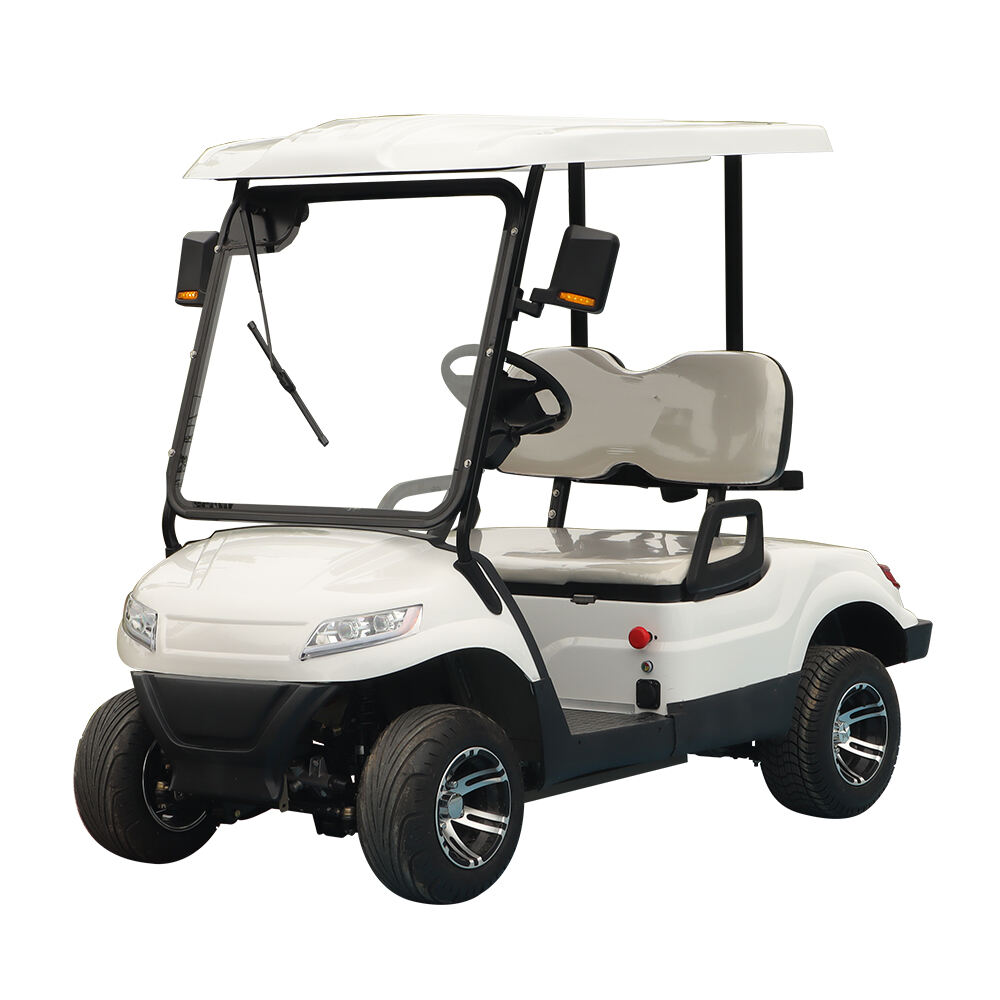
Modern resorts and large facilities are increasingly turning to cargo golf carts as versatile transportation solutions that combine passenger mobility with essential cargo capacity. These specialized vehicles have evolved far beyond their traditional golf course origins to become indispensable assets for hospitality venues, corporate campuses, and recreational facilities seeking efficient, eco-friendly transport options. The integration of cargo golf carts into daily operations represents a strategic approach to optimizing logistics while maintaining the aesthetic appeal and environmental standards that guests and visitors expect.
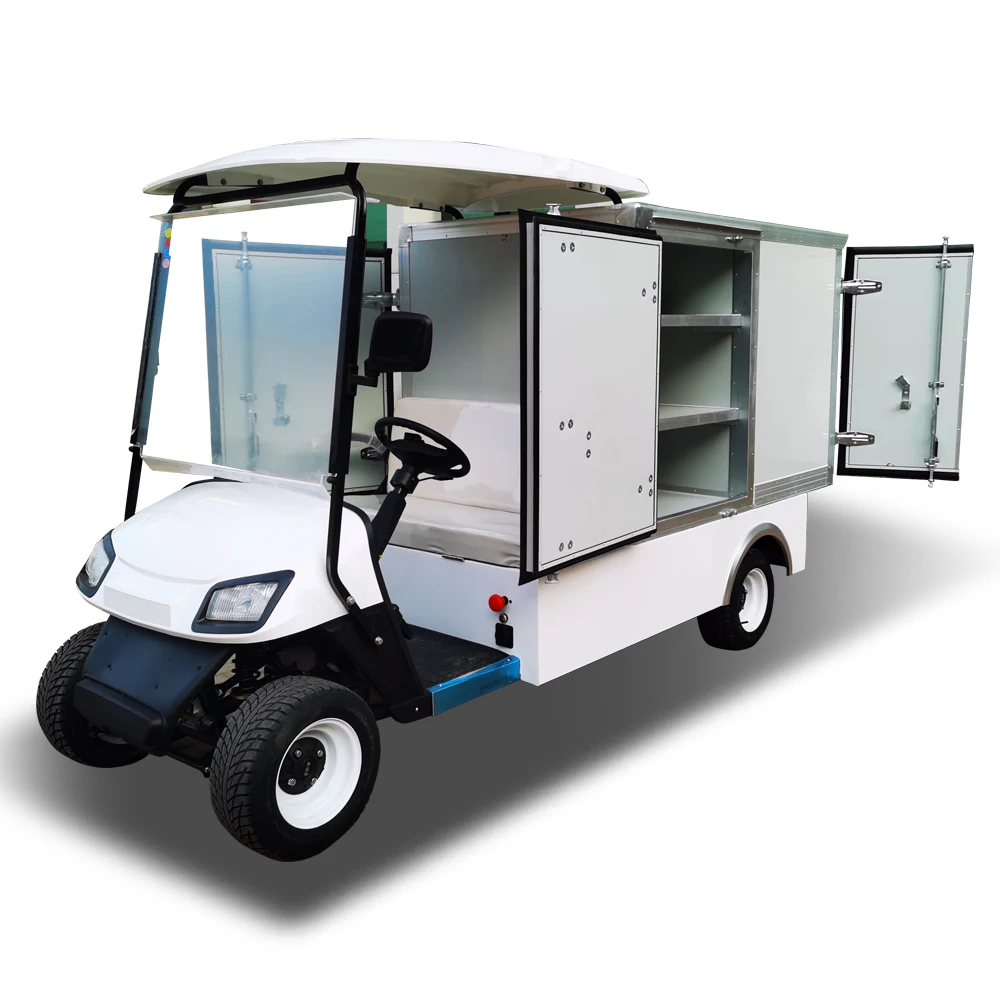
The versatility of cargo golf carts makes them particularly valuable in environments where traditional vehicles would be impractical or disruptive. Their compact size allows navigation through narrow pathways and landscaped areas while their electric operation ensures minimal noise pollution and zero direct emissions. This combination of functionality and environmental consideration has made them essential tools for facility managers who must balance operational efficiency with guest experience quality.
Operational Advantages in Resort Settings
Housekeeping and Maintenance Support
Resort housekeeping departments rely heavily on cargo golf carts for efficient room service and maintenance operations. These vehicles enable staff to transport cleaning supplies, fresh linens, and guest amenities across expansive properties without the noise and disruption associated with larger utility vehicles. The cargo compartments are specifically designed to accommodate various load types while maintaining organization and cleanliness standards expected in luxury hospitality environments.
Maintenance teams benefit from the multi-purpose design of cargo golf carts, which allows them to carry tools, equipment, and materials to remote areas of resort properties. The vehicles' ability to access both paved and unpaved surfaces makes them ideal for groundskeeping operations, pool maintenance, and facility repairs. Their silent operation is particularly valuable during early morning or late evening maintenance tasks when guest disturbance must be minimized.
Guest Services and Concierge Operations
Guest services departments utilize cargo golf carts to enhance the overall visitor experience through efficient luggage transport and personalized concierge services. The vehicles can simultaneously transport guests and their belongings, eliminating the need for separate trips and reducing wait times. This capability is especially valuable at check-in and check-out periods when efficient baggage handling directly impacts guest satisfaction levels.
Concierge teams use these vehicles to deliver amenities, room service orders, and recreational equipment directly to guest locations throughout the property. The flexibility to navigate both indoor and outdoor spaces makes cargo golf carts invaluable for properties with diverse terrain and multiple facility types. Their professional appearance maintains the upscale image while providing practical transportation solutions.
Facility Management Applications
Corporate Campus Transportation
Large corporate campuses have adopted cargo golf carts for internal mail delivery, catering services, and employee transportation between buildings. The vehicles' cargo capacity accommodates daily supply deliveries while their passenger seating supports executive transport and visitor tours. This dual functionality reduces the need for multiple vehicle types and streamlines fleet management requirements across extensive corporate properties.
Security and facility management teams use cargo golf carts for regular patrol duties and emergency response situations. The vehicles enable rapid deployment of security personnel and equipment while maintaining the professional appearance expected in corporate environments. Their quiet operation allows security teams to conduct surveillance activities without drawing unnecessary attention or disrupting business operations.
Healthcare and Educational Institution Usage
Healthcare facilities utilize cargo golf carts for patient transport, medical supply delivery, and emergency equipment positioning throughout large campuses. The vehicles' stability and smooth operation make them suitable for transporting patients between facilities while their cargo capacity supports the movement of medical equipment and supplies. This application is particularly valuable in rehabilitation centers and long-term care facilities where patient mobility varies significantly.
Educational institutions employ cargo golf carts for campus maintenance, event setup, and administrative functions across sprawling university grounds. The vehicles support groundskeeping operations, facility repairs, and the transport of educational materials between buildings. Their environmentally friendly operation aligns with sustainability initiatives common in academic institutions while providing practical transportation solutions for staff and visitors.
Economic and Environmental Benefits
Cost-Effective Operations
The operational economics of cargo golf carts present significant advantages over traditional utility vehicles in appropriate applications. Lower acquisition costs, reduced maintenance requirements, and minimal fuel or charging expenses contribute to favorable total cost of ownership calculations. These factors make cargo golf carts particularly attractive for organizations seeking to optimize transportation budgets while maintaining service quality standards.
Insurance and regulatory costs are typically lower for cargo golf carts compared to conventional vehicles, further enhancing their economic appeal. The reduced liability exposure and simplified licensing requirements streamline fleet management processes while reducing administrative overhead. These cost savings can be redirected toward other operational improvements or guest service enhancements.
Environmental Impact and Sustainability
Electric cargo golf carts contribute significantly to environmental sustainability goals through zero direct emissions and reduced noise pollution. Their efficient electric powertrains consume less energy per mile than conventional vehicles while producing no local air pollutants. This environmental performance supports green certification programs and demonstrates corporate responsibility commitments to guests and stakeholders.
The integration of solar charging systems further enhances the environmental benefits of cargo golf carts by utilizing renewable energy sources. Many facilities install solar panels specifically to support their electric vehicle fleets, creating self-sustaining transportation systems that reduce grid electricity consumption. This approach exemplifies how sustainable technology can be integrated into daily operations while maintaining operational efficiency.
Technical Specifications and Customization
Load Capacity and Configuration Options
Modern cargo golf carts offer various load capacity configurations to meet specific operational requirements. Standard models typically accommodate 800 to 1200 pounds of cargo while maintaining passenger seating for two to four occupants. Specialized configurations can increase cargo capacity through extended platforms, enclosed storage compartments, or modular attachment systems that adapt to changing operational needs.
Customization options include climate-controlled storage compartments for temperature-sensitive items, specialized mounting systems for equipment transport, and enhanced suspension systems for improved ride quality. These modifications enable facilities to tailor vehicles to specific applications while maintaining manufacturer warranty coverage and safety standards. The flexibility to modify configurations as operational needs evolve extends vehicle utility and return on investment.
Power Systems and Range Considerations
Battery technology advances have significantly improved the range and reliability of electric cargo golf carts. Modern lithium-ion systems provide 40 to 80 miles of operation per charge depending on load conditions and terrain. Fast-charging capabilities enable vehicles to be recharged during break periods or shift changes, ensuring continuous availability for operations requiring multiple daily cycles.
Power management systems optimize battery performance through regenerative braking, efficient motor control, and intelligent charging protocols. These systems extend battery life while providing consistent performance across varying load conditions. The integration of telematics systems enables remote monitoring of vehicle status, battery condition, and usage patterns to support preventive maintenance programs and optimize fleet utilization.
FAQ
What is the typical lifespan of cargo golf carts used in commercial applications?
Commercial cargo golf carts typically provide 8 to 12 years of reliable service with proper maintenance and care. Battery systems may require replacement every 4 to 6 years depending on usage patterns and charging practices. Regular maintenance including brake adjustments, tire replacement, and electrical system inspections helps maximize vehicle lifespan and ensures safe operation throughout the service period.
How do cargo golf carts perform in different weather conditions?
Quality cargo golf carts are designed to operate effectively in various weather conditions including rain, moderate snow, and temperature extremes. Enclosed cab options provide operator protection while weather-resistant electrical systems ensure reliable operation. However, extreme weather conditions such as ice or heavy snow may require operational modifications or temporary service suspension for safety reasons.
What maintenance requirements should facilities expect for cargo golf cart fleets?
Regular maintenance includes daily visual inspections, weekly battery maintenance, monthly tire pressure checks, and quarterly comprehensive service including brake, steering, and electrical system evaluations. Annual inspections by qualified technicians ensure compliance with safety standards and identify potential issues before they become costly repairs. Establishing preventive maintenance schedules significantly reduces unexpected downtime and extends vehicle service life.
Are special licenses or permits required to operate cargo golf carts on private property?
Most jurisdictions do not require special licenses for cargo golf cart operation on private property, though operators should receive proper training on vehicle operation and safety procedures. Public road operation may require registration, insurance, and operator licensing depending on local regulations. Facilities should consult with local authorities to ensure compliance with applicable laws and establish appropriate operator qualification programs for their specific operational requirements.
Table of Contents
- Operational Advantages in Resort Settings
- Facility Management Applications
- Economic and Environmental Benefits
- Technical Specifications and Customization
-
FAQ
- What is the typical lifespan of cargo golf carts used in commercial applications?
- How do cargo golf carts perform in different weather conditions?
- What maintenance requirements should facilities expect for cargo golf cart fleets?
- Are special licenses or permits required to operate cargo golf carts on private property?