
 EN
EN


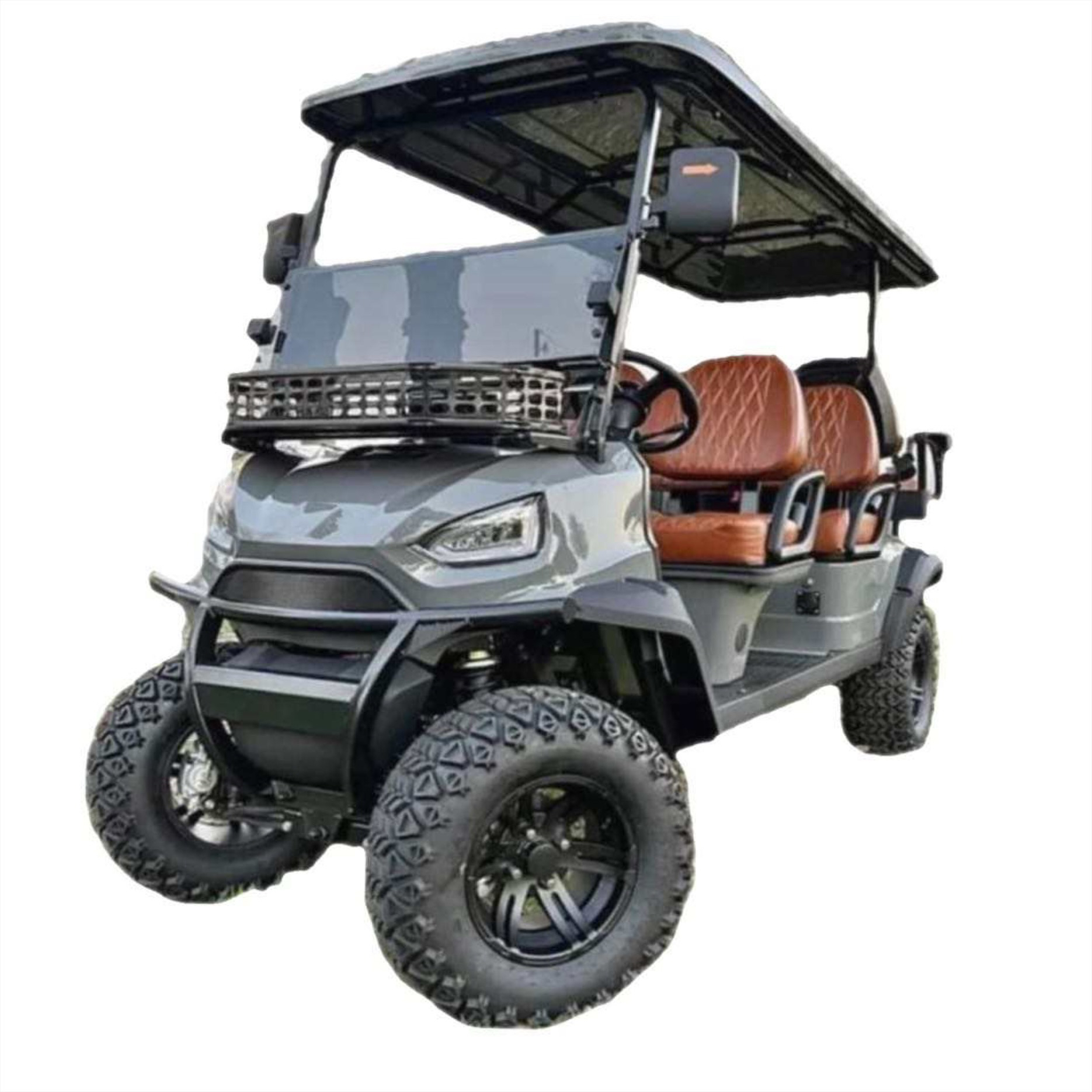
Modern transportation solutions have evolved significantly, with specialized manufacturing facilities playing increasingly crucial roles in delivering customized mobility options. A golf cart factory serves as the cornerstone of innovation in personal transportation, transforming basic vehicle concepts into tailored solutions that meet diverse consumer needs. These manufacturing hubs combine advanced engineering techniques with flexible production processes to create vehicles that serve multiple purposes beyond traditional golf course applications.
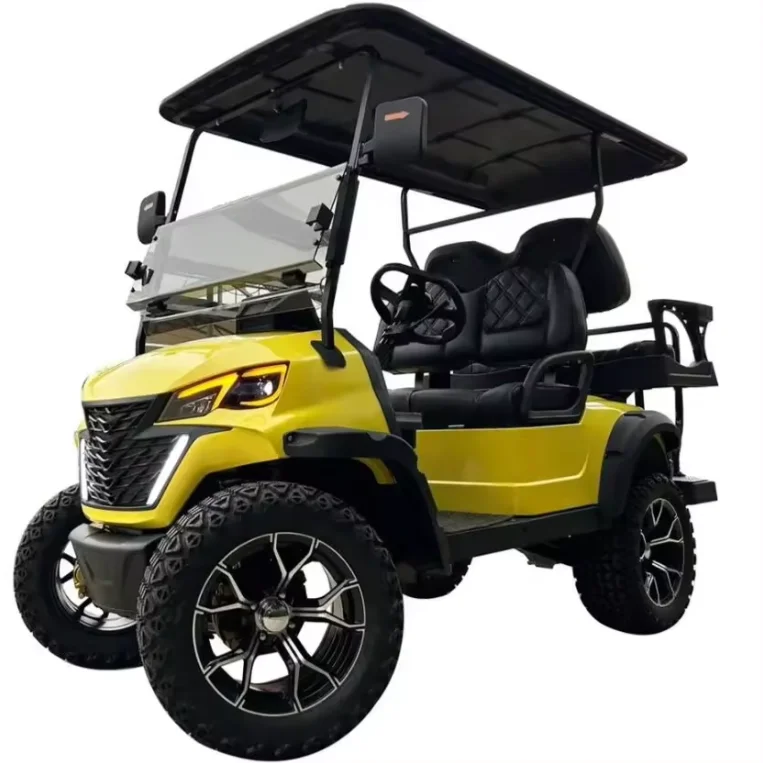
The relationship between manufacturing capabilities and customization options has become increasingly sophisticated in recent years. Contemporary facilities leverage cutting-edge technology and streamlined production methodologies to offer unprecedented levels of personalization. This evolution has transformed how consumers approach personal transportation, enabling them to specify everything from battery configurations to seating arrangements according to their specific requirements.
Understanding the intricate processes within these manufacturing environments reveals the complexity behind seemingly simple vehicle modifications. Each customization request requires careful consideration of engineering principles, safety standards, and production feasibility. The result is a comprehensive approach to vehicle manufacturing that balances individual preferences with industrial efficiency.
Manufacturing Infrastructure and Customization Capabilities
Production Line Flexibility
Modern manufacturing facilities have revolutionized their production approaches to accommodate varying customization demands. The traditional assembly line model has evolved into modular production systems that can seamlessly switch between different vehicle configurations. This flexibility allows manufacturers to produce standard models alongside highly customized variants without significant downtime or retooling expenses.
Advanced manufacturing equipment enables rapid adjustments to accommodate different frame sizes, battery types, and accessory installations. Computer-controlled machinery can automatically adjust welding parameters, cutting dimensions, and assembly sequences based on specific order requirements. This technological integration ensures consistent quality while maintaining the ability to produce unique vehicle variations.
Quality control systems within these facilities have adapted to handle the increased complexity of customized production. Each vehicle undergoes comprehensive testing procedures tailored to its specific configuration, ensuring that custom modifications do not compromise safety or performance standards. This rigorous approach maintains manufacturing integrity while supporting extensive personalization options.
Material Selection and Processing
The foundation of effective customization lies in sophisticated material management systems that can handle diverse component specifications. Manufacturing facilities maintain extensive inventories of alternative materials, ranging from different steel grades for frame construction to various plastic compositions for body panels. This material diversity enables the production of vehicles optimized for specific environmental conditions or usage patterns.
Advanced procurement networks ensure consistent availability of specialized components required for custom orders. Partnerships with component suppliers enable access to unique materials that might be required for specific applications, such as marine-grade materials for coastal environments or enhanced insulation for extreme temperature conditions. These relationships form the backbone of comprehensive customization capabilities.
Material processing techniques have evolved to accommodate the varying requirements of customized production. Specialized cutting, forming, and finishing processes can be applied to different materials based on customer specifications. This processing flexibility ensures that each vehicle receives appropriate treatment for its intended application, whether that involves enhanced corrosion resistance or improved aesthetic appeal.
Technology Integration in Custom Vehicle Production
Digital Design and Prototyping
Contemporary manufacturing facilities utilize sophisticated computer-aided design systems to translate customer requirements into viable production specifications. These digital platforms enable detailed visualization of proposed modifications before production begins, allowing customers to see exactly how their customizations will appear in the finished product. This preview capability reduces misunderstandings and ensures customer satisfaction with final results.
Three-dimensional modeling software enables engineers to assess the structural implications of proposed modifications before implementation. This analysis identifies potential issues with weight distribution, structural integrity, or component interference that might arise from specific customization requests. Early identification of these challenges allows for design adjustments that maintain vehicle performance while achieving desired customization goals.
Rapid prototyping technologies enable the creation of physical samples for complex custom components before full production begins. This capability is particularly valuable for unique accessories or specialized mounting systems that require precise fit and finish. Prototype testing ensures that custom components meet quality standards and integrate properly with existing vehicle systems.
Automated Assembly Systems
Robotic assembly systems have been programmed to handle the increased complexity associated with customized vehicle production. These automated systems can access extensive databases of assembly procedures for different vehicle configurations, automatically selecting appropriate techniques based on specific order requirements. This automation maintains consistent assembly quality while accommodating significant variation in vehicle specifications.
Flexible tooling systems enable rapid changeover between different assembly configurations without extensive manual intervention. Programmable fixtures can automatically adjust to accommodate different frame sizes or component arrangements, significantly reducing setup time for custom orders. This efficiency enables cost-effective production of even highly customized vehicles.
Quality monitoring systems integrated into automated assembly lines provide real-time feedback on assembly processes for customized vehicles. These systems can detect deviations from standard procedures and alert operators to potential issues before they affect final product quality. This monitoring capability is essential for maintaining standards across diverse vehicle configurations.
Battery and Power System Customization
Energy Storage Solutions
Battery technology customization represents one of the most significant areas of innovation in modern vehicle manufacturing. Golf cart factory operations now offer extensive battery configuration options, ranging from traditional lead-acid systems to advanced lithium-ion solutions. Each battery type offers distinct advantages in terms of performance, maintenance requirements, and operational costs.
Lithium battery systems provide superior energy density and longer operational life compared to traditional alternatives. These advanced systems can be configured in various voltage and capacity combinations to meet specific range and performance requirements. The modular nature of lithium systems enables precise matching of battery capacity to individual usage patterns, optimizing both performance and cost effectiveness.
Battery management systems integrated into custom installations provide sophisticated monitoring and protection capabilities. These systems continuously monitor individual cell performance, temperature conditions, and charging status to ensure optimal battery life and safety. Advanced management systems can communicate with vehicle control systems to optimize power delivery based on driving conditions and load requirements.
Charging Infrastructure Integration
Custom charging solutions have become integral components of personalized vehicle configurations. Manufacturing facilities can integrate various charging systems based on customer infrastructure requirements and usage patterns. These solutions range from standard residential charging systems to rapid charging capabilities designed for commercial applications.
Smart charging systems incorporate communication capabilities that enable remote monitoring and control of charging processes. These systems can be programmed to optimize charging schedules based on electricity rates or grid demand, providing both cost savings and environmental benefits. Integration with facility management systems enables centralized control of multiple vehicle charging operations.
Portable charging solutions offer flexibility for applications where fixed charging infrastructure is not practical. These systems can be configured to operate from various power sources, including standard electrical outlets or renewable energy systems. Custom mounting arrangements ensure secure installation while maintaining accessibility for routine maintenance operations.
Seating and Passenger Configuration Options
Capacity Variations
Modern manufacturing capabilities enable extensive customization of passenger capacity and seating arrangements. Standard two-person configurations can be expanded to accommodate four, six, or even eight passengers through modular seating systems. These configurations maintain structural integrity while providing comfortable transportation for varying group sizes.
Forward-facing and rear-facing seating arrangements offer different advantages depending on intended applications. Forward-facing configurations provide traditional automotive-style seating that many passengers find familiar and comfortable. Rear-facing options enable better communication between passengers and can provide improved weight distribution for certain vehicle configurations.
Convertible seating systems enable transformation between passenger and cargo configurations as needs change. These systems utilize quick-release mechanisms that allow seat removal or reconfiguration without tools. This flexibility maximizes vehicle utility by enabling adaptation to changing transportation requirements throughout the day or season.
Comfort and Accessibility Features
Ergonomic seating designs incorporate advanced materials and construction techniques to provide superior comfort during extended operation. Memory foam cushioning, breathable fabric selections, and adjustable positioning options ensure passenger comfort across diverse body types and preferences. These features are particularly important for vehicles used in commercial or recreational applications where passenger satisfaction is critical.
Accessibility modifications enable vehicle use by individuals with mobility limitations. These modifications include wheelchair access ramps, specialized seating systems, and adapted control interfaces. Custom installation ensures that accessibility features integrate seamlessly with vehicle design while maintaining safety and aesthetic standards.
Climate control integration provides enhanced passenger comfort in extreme weather conditions. Heating and cooling systems can be configured to provide localized temperature control for individual seating areas. These systems are designed to operate efficiently with electric power systems while providing effective climate management.
Specialized Application Adaptations
Commercial and Industrial Uses
Manufacturing facilities have developed specialized configurations for commercial applications that require unique vehicle capabilities. Utility vehicles designed for maintenance operations incorporate specialized tool storage, equipment mounting systems, and enhanced payload capacity. These modifications transform basic transportation platforms into mobile work stations that improve operational efficiency.
Security and patrol applications require specific modifications including enhanced lighting systems, communication equipment mounting, and improved visibility features. These vehicles often incorporate additional safety equipment and are configured for extended operation periods. Manufacturing customization ensures that security vehicles meet specific operational requirements while maintaining reliability.
Food service and hospitality applications utilize specialized modifications including refrigeration systems, serving equipment, and customer interaction features. These vehicles are designed to operate in demanding commercial environments while maintaining hygienic standards and attractive appearance. Custom configurations enable effective mobile service delivery across various hospitality applications.
Recreational and Personal Use
Recreational vehicle modifications focus on enhancing the entertainment and leisure aspects of vehicle ownership. These modifications include enhanced sound systems, recreational equipment storage, and comfort features designed for extended outdoor use. Manufacturing capabilities enable integration of these features while maintaining vehicle performance and reliability.
Hunting and outdoor recreation applications require specialized modifications including equipment storage, camouflage options, and enhanced off-road capabilities. These vehicles are designed to operate effectively in challenging terrain while providing reliable transportation for outdoor enthusiasts. Custom configurations ensure that recreational vehicles meet specific activity requirements.
Personal transportation customization focuses on individual preferences and lifestyle requirements. These modifications range from aesthetic enhancements to functional improvements that better serve specific transportation needs. Manufacturing flexibility enables accommodation of personal preferences while maintaining vehicle safety and performance standards.
Quality Control and Testing Procedures
Safety Standards Compliance
Comprehensive safety testing procedures ensure that customized vehicles meet or exceed applicable safety standards. These procedures include structural integrity testing, electrical system verification, and operational safety assessments. Each custom modification undergoes specific testing protocols designed to verify that safety performance is not compromised by personalization features.
Certification processes validate that customized vehicles comply with relevant regulatory requirements. These processes involve documentation review, physical inspection, and performance testing by qualified personnel. Certification ensures that custom vehicles can be legally operated in their intended environments while meeting insurance and regulatory requirements.
Ongoing quality monitoring systems track the performance of customized vehicles over time to identify potential issues or improvement opportunities. This monitoring includes customer feedback collection, maintenance record analysis, and performance data evaluation. Information gathered through these systems informs continuous improvement efforts in customization processes.
Performance Validation
Performance testing procedures verify that customized vehicles deliver expected operational capabilities. These tests include range evaluation, load capacity verification, and operational speed assessment under various conditions. Testing ensures that customizations do not negatively impact fundamental vehicle performance characteristics.
Durability testing simulates extended operation conditions to verify that custom modifications will withstand expected service life requirements. These tests subject vehicles to accelerated wear conditions, environmental stress, and operational cycling. Results inform warranty provisions and maintenance recommendations for customized vehicles.
Environmental testing ensures that customized vehicles perform effectively across expected operating conditions. Temperature, humidity, and exposure testing verify that modifications maintain functionality and appearance under challenging environmental conditions. This testing is particularly important for vehicles intended for outdoor or extreme environment applications.
FAQ
What customization options are typically available from manufacturing facilities
Manufacturing facilities typically offer extensive customization options including battery system selection, seating configuration changes, color and finish choices, accessory installation, and specialized equipment integration. These options can be combined to create vehicles tailored to specific applications ranging from personal transportation to commercial operations. The scope of available customizations depends on the facility's capabilities and the base vehicle platform being modified.
How do custom modifications affect vehicle warranty coverage
Custom modifications performed by qualified manufacturing facilities typically maintain full warranty coverage for both standard and modified components. However, warranty terms may vary based on the specific modifications requested and their impact on vehicle systems. It is important to discuss warranty implications with manufacturers before proceeding with significant customizations to ensure continued coverage and support.
What is the typical timeline for producing a customized vehicle
Production timelines for customized vehicles vary based on the complexity of requested modifications and current manufacturing schedules. Simple customizations such as color changes or basic accessory installation may add only a few days to standard production times. More complex modifications involving structural changes or specialized equipment integration may require several weeks for completion. Manufacturers typically provide specific timeline estimates based on individual customization requirements.
Are there limitations on the types of customizations that can be performed
Customization limitations are primarily determined by safety requirements, regulatory compliance, and engineering feasibility. Modifications that compromise structural integrity, violate safety standards, or exceed vehicle design parameters may not be possible. However, experienced manufacturing facilities can often suggest alternative approaches to achieve desired functionality while maintaining safety and performance standards. Customer consultation during the design phase helps identify practical solutions for most customization requests.