
 EN
EN



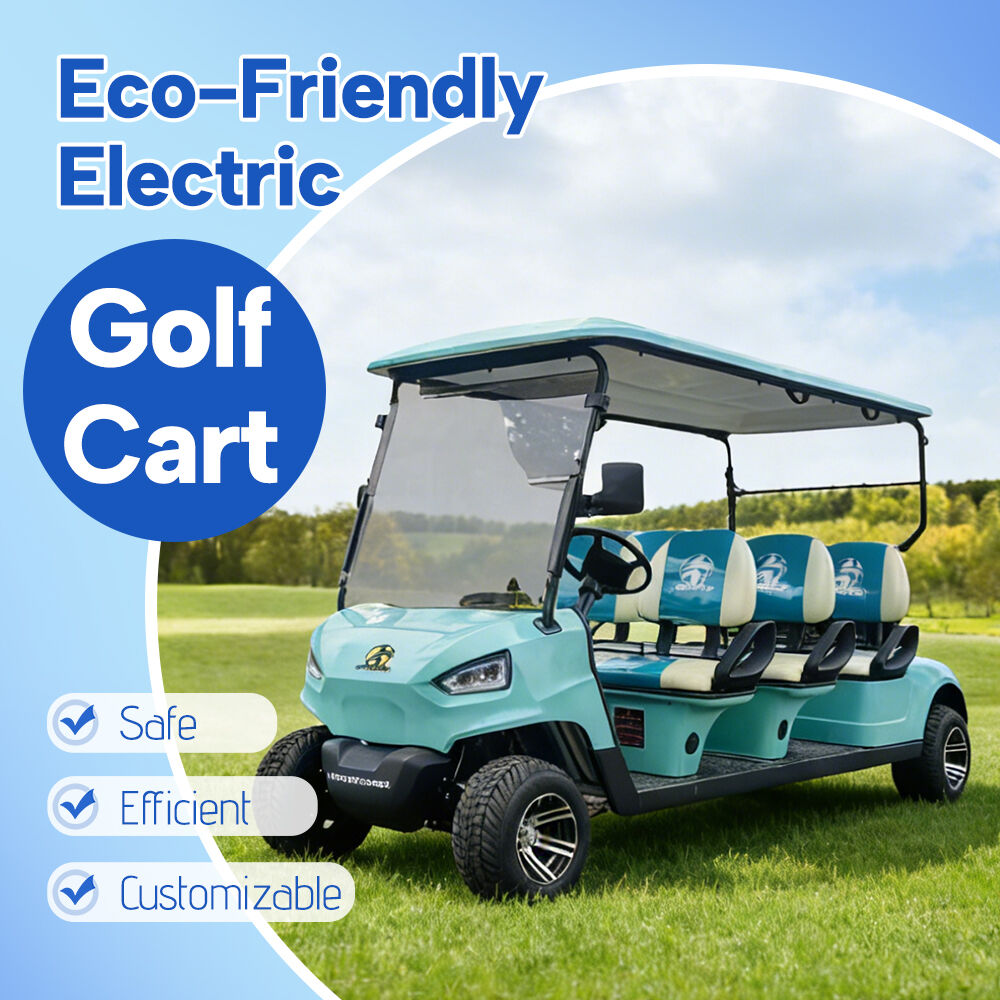
Tourism destinations worldwide are increasingly adopting sustainable transportation solutions to enhance visitor experiences while minimizing environmental impact. An electric sightseeing car represents a revolutionary approach to guided tours, combining eco-friendly technology with comfortable passenger transport. These vehicles offer silent operation, zero emissions, and panoramic viewing capabilities that traditional tour buses simply cannot match. The integration of electric sightseeing car technology transforms how visitors explore attractions, creating memorable experiences that align with modern environmental consciousness.
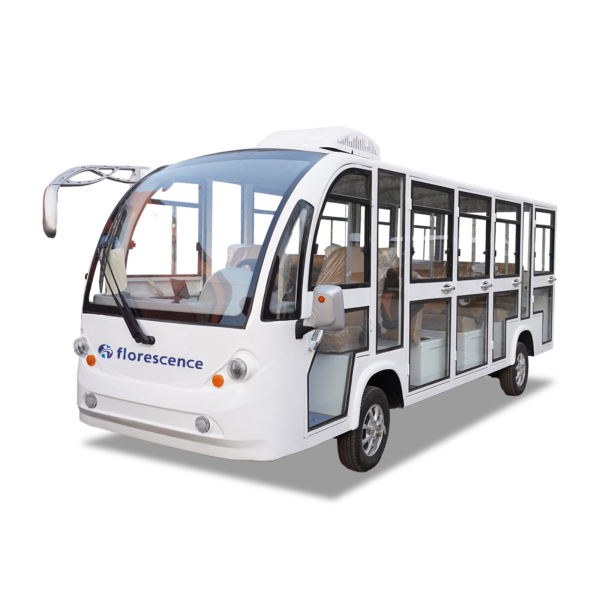
Environmental Benefits and Sustainability Features
Zero Emission Operations
The primary advantage of an electric sightseeing car lies in its emission-free operation, making it an ideal choice for environmentally sensitive areas. Unlike conventional diesel-powered tour vehicles, electric models produce no exhaust fumes, reducing air pollution in popular tourist destinations. This clean operation helps preserve the natural beauty of parks, historic sites, and urban attractions that visitors come to experience. The silent electric motors ensure that wildlife remains undisturbed while providing tourists with an authentic connection to their surroundings.
Electric sightseeing car technology contributes significantly to carbon footprint reduction in tourism operations. Tour operators can demonstrate their commitment to environmental stewardship by choosing electric vehicles over traditional alternatives. This alignment with sustainability goals appeals to eco-conscious travelers who prioritize responsible tourism practices. The reduction in greenhouse gas emissions directly supports global climate change mitigation efforts while maintaining high-quality visitor experiences.
Energy Efficiency and Cost Savings
Modern electric sightseeing car designs incorporate advanced battery technology that maximizes energy efficiency throughout extended tour operations. These vehicles typically achieve significantly lower operating costs compared to fuel-powered alternatives, with electricity being substantially cheaper than gasoline or diesel fuel. The regenerative braking systems capture energy during deceleration, extending battery life and reducing overall energy consumption. This efficiency translates into cost savings that tour operators can reinvest in enhanced visitor services and facility improvements.
Maintenance requirements for an electric sightseeing car are considerably lower than conventional vehicles, as electric motors have fewer moving parts and require less frequent servicing. The absence of oil changes, transmission maintenance, and exhaust system repairs reduces operational downtime and associated costs. Battery technology continues advancing rapidly, with newer models offering extended range capabilities that support full-day tour operations without requiring mid-day charging breaks.
Enhanced Visitor Comfort and Experience
Silent Operation and Noise Reduction
The whisper-quiet operation of an electric sightseeing car dramatically improves the visitor experience by eliminating engine noise that typically interferes with tour commentary and natural soundscapes. Passengers can clearly hear tour guides' explanations, ambient sounds of nature, or historic site atmospheres without competing against loud engine noise. This enhanced acoustic environment allows for better communication between guides and visitors, resulting in more engaging and educational tour experiences.
Quiet operation also enables tours through noise-sensitive areas such as residential neighborhoods, wildlife habitats, or sacred sites where traditional tour vehicles might be prohibited or unwelcome. An electric sightseeing car can access locations previously off-limits to motorized tours, expanding the range of experiences available to visitors. The peaceful operation creates a more contemplative and immersive experience, allowing passengers to fully appreciate their surroundings without mechanical distractions.
Climate Control and Passenger Amenities
Advanced electric sightseeing car models feature sophisticated climate control systems that operate independently of the vehicle's propulsion system. This allows for pre-cooling or pre-heating before passenger boarding, ensuring immediate comfort upon entry. The electric heating and cooling systems operate more efficiently than traditional engine-dependent systems, providing consistent temperature control throughout the tour duration regardless of weather conditions.
Modern electric tour vehicles often include additional passenger amenities such as USB charging ports, WiFi connectivity, and panoramic glass roofs that enhance the sightseeing experience. The stable electric power supply enables these features without compromising the vehicle's range or performance. Electric sightseeing car designs frequently incorporate 360-degree viewing capabilities through enlarged windows or open-air configurations that maximize visibility for all passengers.
Operational Advantages for Tour Providers
Flexibility and Accessibility
Electric sightseeing car technology offers tour operators unprecedented flexibility in route planning and scheduling. The compact design and maneuverability of electric vehicles allow access to narrow pathways, historic districts, and pedestrian areas where larger tour buses cannot operate. This accessibility opens up new tour possibilities and enables operators to offer unique experiences that differentiate their services from competitors using conventional transportation methods.
The instant torque delivery of electric motors provides smooth acceleration and precise speed control, essential for safe operation in crowded tourist areas. Electric sightseeing car models typically feature advanced safety systems including automatic braking, stability control, and low-speed maneuvering assistance. These safety features reduce operator training requirements and insurance costs while ensuring passenger safety in diverse operating environments.
Maintenance and Reliability
The simplified mechanical design of an electric sightseeing car results in superior reliability compared to conventional tour vehicles. Electric motors have proven durability with fewer failure points than internal combustion engines, leading to reduced maintenance schedules and increased vehicle availability. This reliability is crucial for tour operators who depend on consistent vehicle performance to maintain scheduled operations and customer satisfaction.
Predictive maintenance capabilities built into modern electric sightseeing car systems allow operators to monitor vehicle health in real-time and schedule maintenance proactively. Battery management systems provide accurate range predictions and charging status updates, enabling optimal route planning and charging schedule optimization. These technological advances minimize unexpected breakdowns and ensure tours proceed as scheduled, maintaining professional service standards.
Technology Integration and Smart Features
Digital Tour Enhancement Systems
Contemporary electric sightseeing car designs integrate sophisticated digital systems that enhance the tour experience through interactive features and multimedia presentations. GPS-guided tour systems provide automated commentary triggered by location, ensuring consistent information delivery regardless of guide availability. These systems can support multiple languages, accommodating international visitors and expanding market reach for tour operators.
Advanced electric tour vehicles often feature onboard entertainment systems with high-definition displays, surround sound audio, and interactive mapping capabilities. Passengers can access additional information about points of interest, view historical photographs, or participate in educational quizzes during the tour. The stable electric power supply ensures these systems operate reliably throughout extended tours without draining the vehicle's propulsion batteries.
Fleet Management and Monitoring
Modern electric sightseeing car fleets incorporate comprehensive monitoring systems that track vehicle location, battery status, passenger capacity, and operational metrics in real-time. Fleet managers can optimize routing, monitor driver performance, and coordinate charging schedules through centralized management platforms. This level of operational oversight improves efficiency and enables proactive management of potential issues before they impact visitor experiences.
Telematics systems in electric tour vehicles provide valuable data on usage patterns, popular routes, and peak demand periods. This information enables operators to make data-driven decisions about fleet expansion, route optimization, and service scheduling. The integration of mobile booking systems with fleet management allows for dynamic capacity allocation and real-time availability updates for customers.
Economic Impact and Market Opportunities
Tourism Revenue Enhancement
The introduction of an electric sightseeing car service can significantly boost tourism revenue for destinations by attracting environmentally conscious travelers and extending tour accessibility to previously unreachable areas. The novelty and sustainability aspects of electric tours often command premium pricing compared to conventional alternatives, increasing per-visitor revenue for operators. Additionally, the quiet operation and enhanced comfort levels typically result in higher customer satisfaction ratings and positive reviews that drive repeat business and referrals.
Electric tour vehicles enable operators to develop specialized tour products targeting specific market segments such as eco-tourists, photography enthusiasts, or accessibility-focused travelers. The flexibility of electric sightseeing car operations allows for customized routes and experiences that can be marketed at premium prices. This product differentiation helps operators compete more effectively in saturated tourism markets while building brand loyalty among target demographics.
Investment and Return Considerations
While the initial investment in an electric sightseeing car may be higher than conventional alternatives, the total cost of ownership typically favors electric vehicles due to lower operating and maintenance costs. Government incentives and grants for sustainable transportation adoption often offset initial purchase costs, improving return on investment calculations. The extended operational life of electric vehicles compared to conventional tour vehicles further enhances long-term financial benefits.
Electric sightseeing car operations often qualify for various sustainability certifications and eco-tourism designations that enhance marketing appeal and access to environmentally focused market segments. These certifications can lead to partnerships with eco-conscious hotels, travel agencies, and tour operators, expanding distribution channels and market reach. The positive environmental impact also supports corporate social responsibility initiatives for larger tourism companies and destinations.
Safety Features and Regulatory Compliance
Advanced Safety Systems
Modern electric sightseeing car designs incorporate comprehensive safety systems that exceed traditional tour vehicle standards. Electronic stability control, anti-lock braking systems, and collision avoidance technology work together to prevent accidents and protect passengers in various operating conditions. The low center of gravity inherent in electric vehicle design, due to floor-mounted battery placement, enhances stability and reduces rollover risk during cornering or emergency maneuvers.
Emergency response features in electric tour vehicles include automatic emergency calling systems, fire suppression capabilities, and emergency evacuation procedures specifically designed for electric vehicle incidents. Driver assistance systems such as blind spot monitoring, rear-view cameras, and parking sensors help operators navigate safely in crowded tourist environments. These safety enhancements reduce liability risks for tour operators while ensuring passenger confidence in service quality.
Regulatory Compliance and Standards
Electric sightseeing car manufacturers must comply with stringent safety and performance standards established by transportation authorities and tourism regulatory bodies. These standards cover electrical safety, battery protection, passenger capacity limits, and emergency procedures specific to electric vehicle operations. Compliance certification provides operators with confidence in vehicle safety and helps satisfy insurance requirements for commercial tourism operations.
The regulatory landscape for electric tour vehicles continues evolving as authorities develop specific guidelines for sustainable transportation in tourism applications. Early adoption of compliant electric sightseeing car technology positions operators advantageously as regulations become more stringent and conventional vehicles face increasing restrictions in sensitive environments. Staying ahead of regulatory changes through electric vehicle adoption demonstrates industry leadership and environmental responsibility.
FAQ
What is the typical range of an electric sightseeing car on a single charge
Most modern electric sightseeing car models offer a range of 80-120 miles on a single charge, depending on battery capacity, terrain, passenger load, and weather conditions. This range typically supports 6-8 hours of continuous touring operation, making it suitable for most full-day tour schedules. Advanced battery management systems provide real-time range estimation to help operators plan routes and charging schedules effectively.
How long does it take to charge an electric sightseeing car
Charging time varies by battery size and charging method, with Level 2 charging typically requiring 4-8 hours for a complete charge from empty. Fast charging options can reduce this to 2-3 hours, while overnight charging during non-operational hours ensures vehicles are ready for daily service. Many operators schedule charging during evening hours when electricity rates are lowest, optimizing operational costs.
Can electric sightseeing cars operate in all weather conditions
Electric sightseeing car designs include weatherproofing and climate control systems that enable operation in various weather conditions. While extreme temperatures can affect battery performance slightly, modern thermal management systems maintain optimal operating conditions. Most electric tour vehicles feature enclosed passenger compartments with heating and air conditioning, ensuring visitor comfort regardless of external weather conditions.
What maintenance is required for electric sightseeing car operations
Electric sightseeing car maintenance primarily involves battery system monitoring, tire rotation, brake inspection, and regular cleaning of electrical connections. Unlike conventional vehicles, electric models require no oil changes, transmission service, or exhaust system maintenance. Scheduled maintenance intervals are typically longer than conventional vehicles, reducing downtime and operational disruption for tour operators.