
 EN
EN



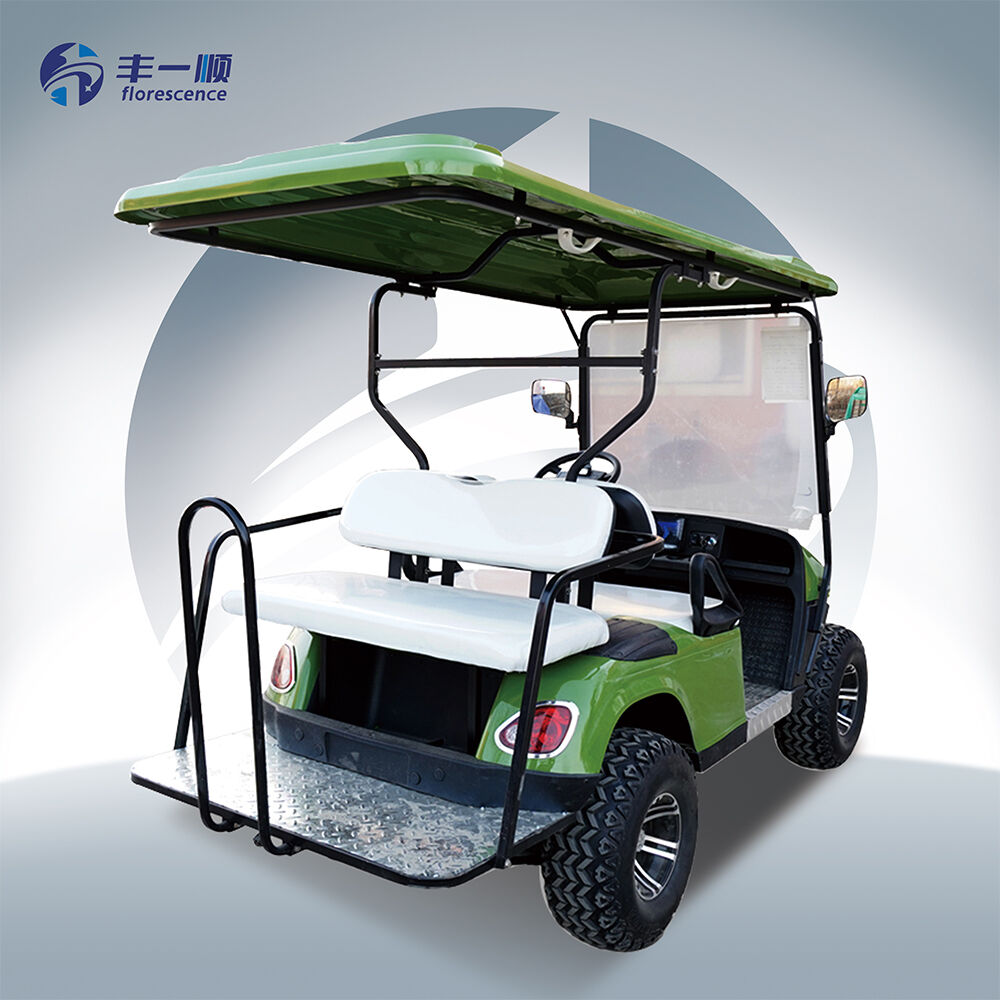
The transportation industry is witnessing a transformative shift toward sustainable solutions, with the electric cargo truck emerging as a pivotal technology for commercial operations. As businesses increasingly prioritize environmental responsibility while maintaining operational efficiency, understanding what makes an electric cargo truck more reliable for heavy loads becomes crucial for fleet managers and logistics professionals. The reliability of these vehicles stems from their advanced engineering, robust construction, and innovative power management systems that work together to deliver consistent performance under demanding conditions.
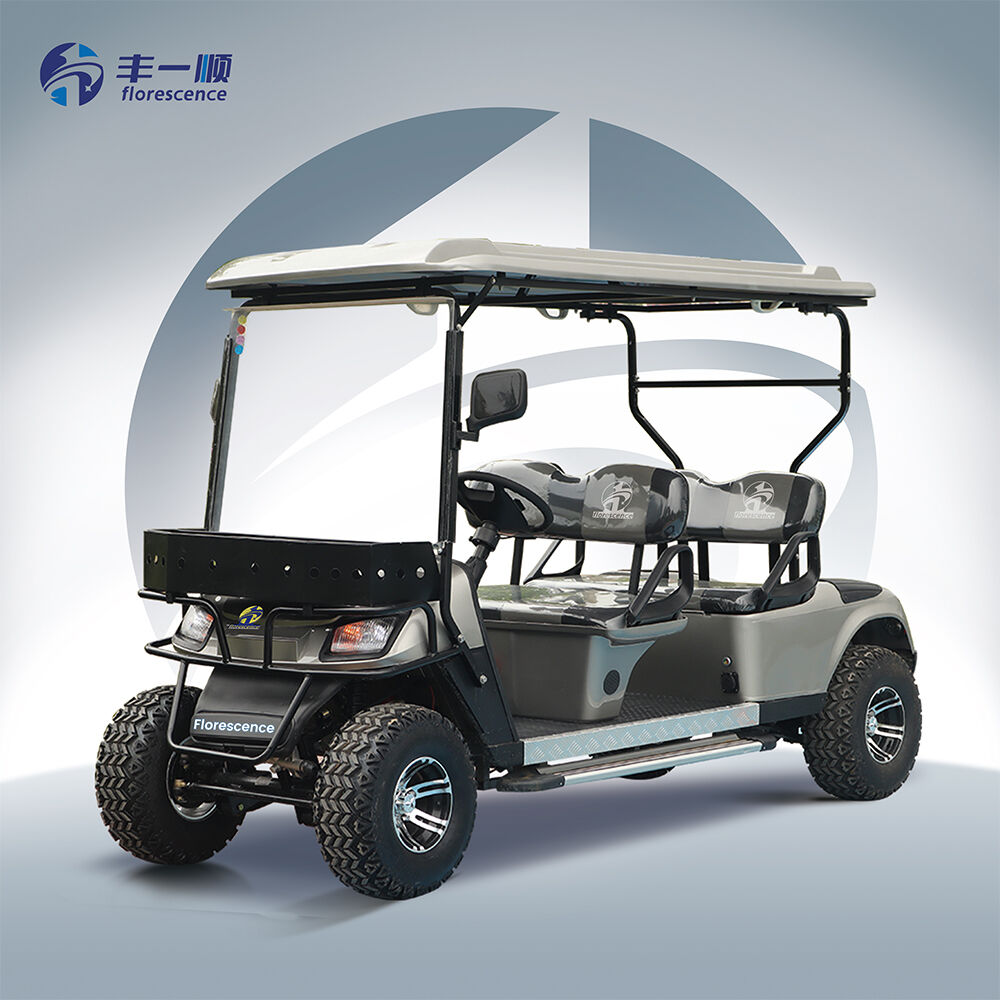
Advanced Power Management Systems
Battery Technology and Energy Distribution
Modern electric cargo truck designs incorporate sophisticated battery management systems that optimize energy distribution across multiple drive components. These systems continuously monitor cell temperatures, voltage levels, and charge states to ensure consistent power delivery even when hauling maximum payload capacities. The intelligent algorithms prevent overheating and voltage fluctuations that could compromise performance during critical delivery schedules.
Lithium-ion battery packs in contemporary electric cargo truck models feature enhanced thermal management through active cooling systems and strategic cell placement. This thermal regulation maintains optimal operating temperatures regardless of ambient conditions or load demands. The result is sustained power output that commercial operators can depend on throughout extended duty cycles.
Regenerative Braking Efficiency
The regenerative braking technology integrated into each electric cargo truck converts kinetic energy back into stored electrical power during deceleration phases. This energy recovery system not only extends operational range but also reduces mechanical wear on traditional brake components. Fleet operators report decreased maintenance intervals and improved cost efficiency when utilizing vehicles equipped with advanced regenerative systems.
When descending grades or navigating stop-and-go traffic patterns common in urban delivery environments, the regenerative braking capabilities of an electric cargo truck provide additional energy reserves. This recovered power contributes to overall system reliability by reducing dependency on grid charging and extending time between charging sessions.
Structural Engineering for Heavy Load Applications
Chassis Design and Load Distribution
The chassis architecture of a reliable electric cargo truck incorporates reinforced structural elements specifically engineered to handle concentrated weight distributions. Advanced computational modeling during the design phase ensures that stress points are properly reinforced while maintaining optimal weight balance. These engineering considerations directly impact the vehicle's ability to maintain stability and performance when fully loaded.
Strategic placement of battery packs within the chassis lowers the center of gravity compared to traditional diesel vehicles, enhancing stability during cornering and emergency maneuvers. This design advantage becomes particularly important when an electric cargo truck carries shifting loads or navigates challenging terrain conditions.
Suspension and Handling Characteristics
Commercial-grade suspension systems in electric cargo truck applications utilize adaptive damping technology that automatically adjusts to varying load conditions. These intelligent suspension components maintain consistent ride quality and handling characteristics whether the vehicle is empty or at maximum gross vehicle weight rating. The electronic control systems monitor load distribution in real-time and make instantaneous adjustments to optimize performance.
Air suspension systems commonly found in premium electric cargo truck configurations provide additional load-leveling capabilities that ensure proper ground clearance and approach angles regardless of cargo weight. This consistent vehicle geometry maintains optimal aerodynamics and prevents clearance issues that could result in operational delays or vehicle damage.
Motor and Drivetrain Reliability
Electric Motor Design Advantages
Electric motors powering commercial cargo applications feature significantly fewer moving parts compared to internal combustion engines, resulting in reduced mechanical failure points. The brushless motor technology commonly employed in electric cargo truck systems eliminates wear components like brushes and commutators that require regular replacement in traditional motor designs.
The instant torque delivery characteristics of electric motors provide superior pulling power from zero RPM, making them ideally suited for heavy load applications. This immediate power availability eliminates the torque curve limitations found in diesel engines and ensures consistent acceleration performance regardless of cargo weight or grade conditions.
Transmission Systems and Efficiency
Many electric cargo truck configurations utilize single-speed transmissions or direct-drive systems that eliminate the complexity and maintenance requirements associated with multi-gear automatic transmissions. This simplified drivetrain architecture reduces potential failure points while maintaining optimal efficiency across the vehicle's operating range.
The elimination of gear changes during operation provides smoother power delivery that reduces mechanical stress on drivetrain components and cargo securing systems. Fleet operators report decreased cargo shifting incidents and improved load integrity when utilizing electric cargo truck vehicles with simplified transmission systems.
Maintenance and Operational Benefits
Reduced Maintenance Requirements
The mechanical simplicity inherent in electric cargo truck designs translates directly into reduced maintenance schedules and lower operational costs. Without engine oil changes, fuel filter replacements, or exhaust system maintenance, fleet managers can allocate resources more efficiently while maintaining higher vehicle availability rates.
Brake system maintenance intervals extend significantly due to regenerative braking technology reducing wear on friction components. Many electric cargo truck operators report brake pad and rotor replacement intervals extending beyond 100,000 miles, compared to 30,000-50,000 miles typical in conventional vehicles.
Predictive Maintenance Capabilities
Advanced telematics systems integrated into modern electric cargo truck platforms provide real-time monitoring of critical vehicle systems and component health. These diagnostic capabilities enable predictive maintenance scheduling that prevents unexpected failures and minimizes operational disruptions.
Battery health monitoring systems track degradation patterns and provide advance warning of capacity reduction or cell imbalances. This predictive capability allows fleet managers to schedule battery service or replacement during planned maintenance windows rather than experiencing unexpected range limitations during critical delivery operations.
Environmental and Performance Integration
Cold Weather Performance
Contemporary electric cargo truck systems incorporate sophisticated thermal management that maintains battery performance in extreme temperature conditions. Pre-conditioning systems can warm battery packs using grid power before departure, ensuring optimal performance from the first mile of operation regardless of ambient temperature.
Cabin heating systems in electric cargo truck applications utilize efficient heat pump technology that minimizes energy consumption while maintaining operator comfort. This efficient heating approach preserves battery capacity for propulsion and cargo handling systems, maintaining operational range in cold weather conditions.
Hot Weather Reliability
Active cooling systems protect critical components during high-temperature operations, ensuring that an electric cargo truck maintains full performance capability even during extreme summer conditions. These cooling systems prioritize battery pack temperature regulation while also managing motor and power electronics thermal loads.
Intelligent thermal management algorithms optimize cooling system operation to balance energy consumption with component protection. This optimization ensures that cooling systems operate efficiently without unnecessarily reducing available range or performance capability.
Charging Infrastructure and Range Management
Fast Charging Capabilities
Modern electric cargo truck platforms support high-power DC fast charging that enables rapid energy replenishment during mandatory driver rest periods or facility loading operations. These charging capabilities allow fleet operators to maintain tight delivery schedules while ensuring adequate range for route completion.
Smart charging algorithms optimize charge rates based on battery temperature, state of charge, and available grid capacity. This intelligent approach maximizes charging efficiency while protecting battery longevity, ensuring that electric cargo truck systems maintain peak performance throughout their operational lifespan.
Route Planning and Range Optimization
Integrated fleet management systems provide real-time range calculations based on current load, weather conditions, and planned route characteristics. This information enables dispatchers to optimize delivery sequences and identify optimal charging opportunities without compromising service commitments.
Vehicle-to-infrastructure communication systems can provide real-time charging station availability and pricing information, enabling dynamic route adjustments that minimize operational costs while maintaining schedule reliability. These systems ensure that electric cargo truck operations remain economically viable while meeting customer expectations.
FAQ
How does battery degradation affect electric cargo truck reliability over time
Battery degradation in electric cargo truck applications typically occurs gradually over several years, with most commercial-grade battery systems retaining 80-90% of original capacity after 8-10 years of normal operation. Modern battery management systems actively monitor and compensate for capacity reduction, maintaining consistent performance throughout the battery's useful life. Fleet operators can plan for battery replacement or refurbishment as part of regular vehicle lifecycle management, similar to engine overhauls in conventional vehicles.
What happens if an electric cargo truck runs out of power during delivery operations
Contemporary electric cargo truck systems provide multiple levels of range warnings and emergency power reserves to prevent complete power depletion. Advanced fleet management systems monitor vehicle range continuously and can dispatch mobile charging units or alternative vehicles if range concerns arise during operations. Most systems maintain sufficient reserve power for several miles of operation at reduced speeds, allowing drivers to reach safe locations or charging facilities.
Can electric cargo trucks maintain performance when fully loaded on steep grades
Electric cargo truck motors deliver maximum torque from zero RPM, providing superior hill-climbing capability compared to diesel engines that must reach optimal RPM ranges. The instant torque characteristics ensure consistent acceleration and sustained speeds on grades regardless of load weight. Additionally, regenerative braking systems provide enhanced control and energy recovery during descent phases, making electric vehicles particularly well-suited for hilly terrain operations.
How do extreme weather conditions impact electric cargo truck reliability
Modern electric cargo truck systems incorporate comprehensive thermal management that maintains operational capability across extreme temperature ranges. Pre-conditioning systems prepare vehicles for optimal performance before departure, while active heating and cooling systems protect critical components during operation. While extreme temperatures may reduce overall range by 10-20%, proper thermal management ensures that vehicle performance and reliability remain consistent throughout various weather conditions.
Table of Contents
- Advanced Power Management Systems
- Structural Engineering for Heavy Load Applications
- Motor and Drivetrain Reliability
- Maintenance and Operational Benefits
- Environmental and Performance Integration
- Charging Infrastructure and Range Management
-
FAQ
- How does battery degradation affect electric cargo truck reliability over time
- What happens if an electric cargo truck runs out of power during delivery operations
- Can electric cargo trucks maintain performance when fully loaded on steep grades
- How do extreme weather conditions impact electric cargo truck reliability