
 EN
EN



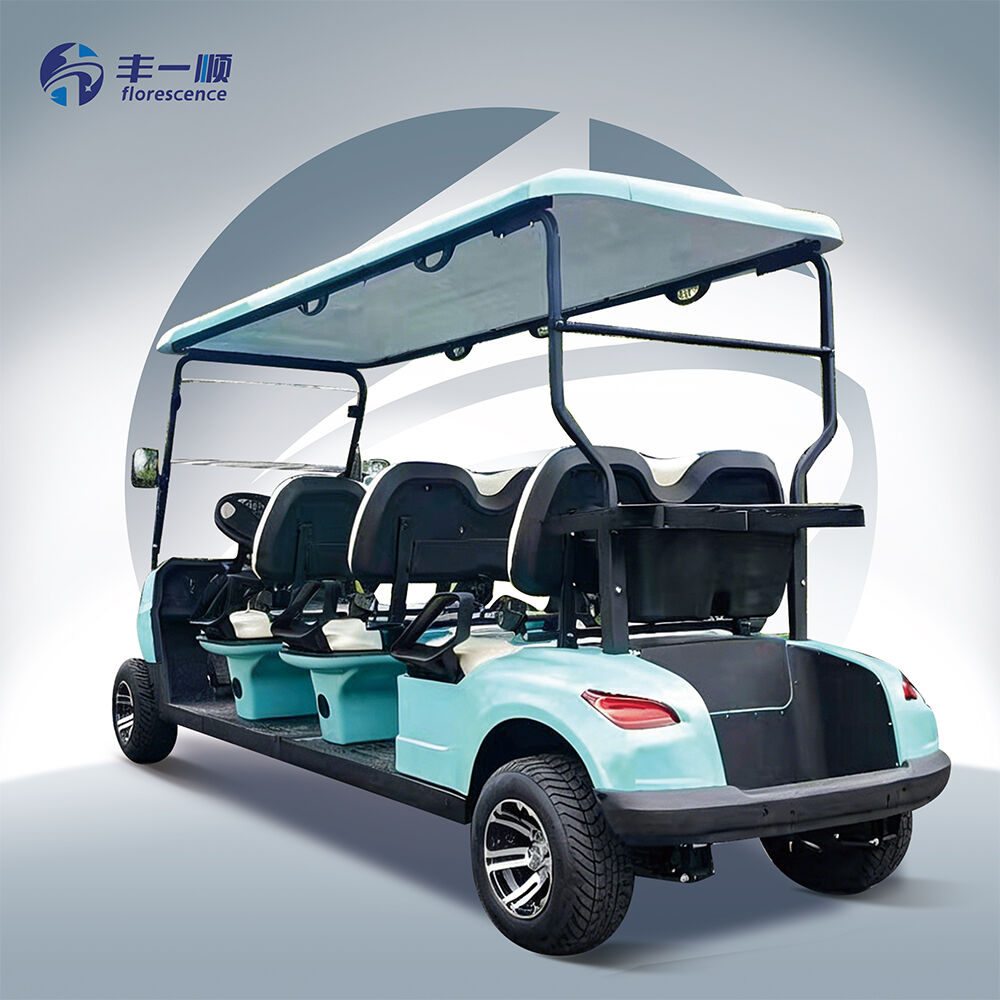
The growing demand for sustainable transportation solutions has revolutionized the logistics industry, particularly in short-distance cargo transport. An electric cargo truck represents a game-changing innovation that addresses environmental concerns while delivering exceptional performance and cost-effectiveness. These vehicles have become indispensable for businesses seeking to reduce their carbon footprint while maintaining operational efficiency in urban and suburban delivery operations.
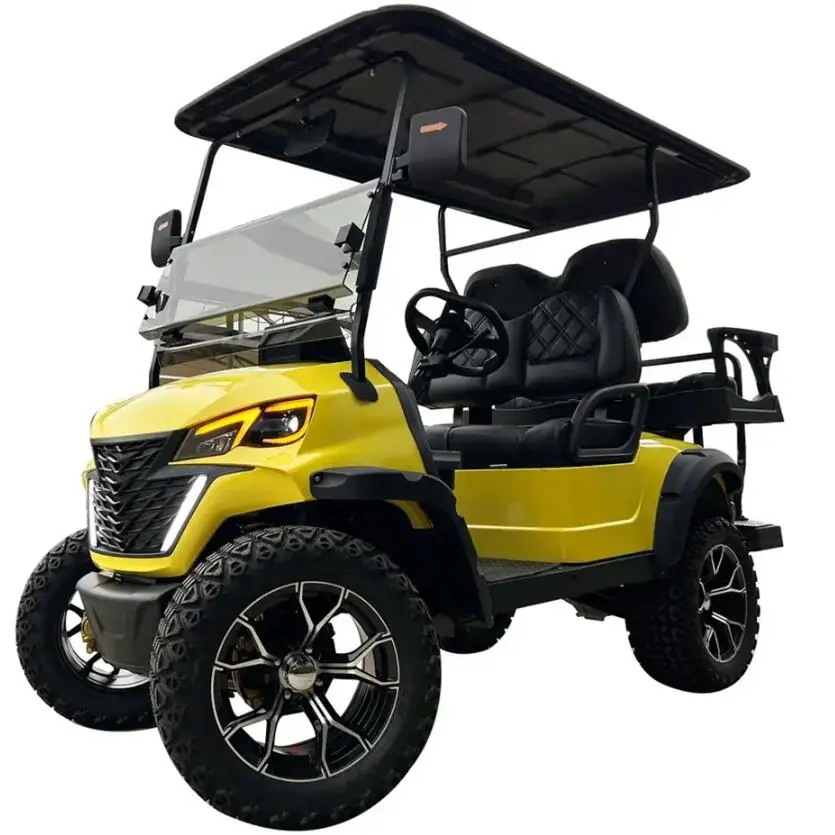
Modern electric cargo truck models offer superior durability and reliability compared to traditional fuel-powered alternatives. The integration of advanced battery technology and robust construction materials ensures these vehicles can withstand demanding operational conditions while delivering consistent performance. Companies across various industries are increasingly adopting electric cargo solutions to streamline their logistics operations and reduce long-term operational costs.
Advantages of Electric Cargo Trucks for Business Operations
Environmental Impact and Sustainability Benefits
The environmental advantages of an electric cargo truck extend far beyond simple emission reductions. These vehicles produce zero direct emissions during operation, contributing significantly to improved air quality in urban environments. The reduced noise pollution from electric motors also makes them ideal for early morning or late-night deliveries in residential areas, expanding operational flexibility for businesses.
Electric cargo truck adoption aligns with corporate sustainability initiatives and helps companies meet increasingly stringent environmental regulations. Many municipalities offer incentives and preferential treatment for businesses utilizing electric commercial vehicles, including access to restricted zones and reduced licensing fees. The sustainability profile of an electric cargo truck also enhances brand reputation and appeals to environmentally conscious consumers.
Cost-Effectiveness and Operational Savings
The total cost of ownership for an electric cargo truck typically proves more economical than conventional alternatives over the vehicle's lifespan. Electricity costs significantly less than fuel per mile, and electric motors require minimal maintenance compared to internal combustion engines. The absence of oil changes, spark plug replacements, and other routine maintenance procedures reduces both direct costs and vehicle downtime.
Battery technology advancements have extended the operational range of electric cargo truck models while reducing charging times. Many businesses report substantial savings on fuel costs within the first year of operation, making the initial investment in an electric cargo truck financially attractive. Government incentives and tax credits for electric commercial vehicles further enhance the economic benefits of transitioning to electric cargo solutions.
Technical Specifications and Performance Features
Battery Technology and Range Capabilities
Contemporary electric cargo truck designs incorporate lithium-ion battery systems that deliver impressive range and longevity. These advanced battery packs typically provide 50-150 miles of range on a single charge, depending on payload and terrain conditions. The batteries are designed to maintain performance across thousands of charge cycles, ensuring reliable operation throughout the vehicle's service life.
Fast-charging capabilities allow an electric cargo truck to reach 80% battery capacity in 2-4 hours using standard commercial charging stations. This rapid charging technology minimizes operational disruptions and enables multiple delivery runs per day. Smart battery management systems optimize charging patterns and protect against overcharging, extending battery life and maintaining consistent performance.
Payload Capacity and Durability Standards
Modern electric cargo truck platforms are engineered to handle substantial payload requirements while maintaining structural integrity. These vehicles typically support 1,000-3,000 pounds of cargo capacity, making them suitable for a wide range of commercial applications. Reinforced chassis construction and high-strength materials ensure durability under demanding loading conditions.
The robust construction of an electric cargo truck includes weather-resistant components and sealed electrical systems that perform reliably in various environmental conditions. Advanced suspension systems and pneumatic tires provide stability and comfort while protecting cargo from vibration and impact damage. Quality control standards ensure each electric cargo truck meets rigorous safety and performance requirements before delivery.
Industry Applications and Use Cases
Urban Delivery and Last-Mile Logistics
The electric cargo truck has transformed urban delivery operations by providing a quiet, efficient solution for last-mile logistics challenges. E-commerce companies, food delivery services, and retail businesses utilize these vehicles for timely product distribution in congested metropolitan areas. The compact design and excellent maneuverability of an electric cargo truck make navigation through narrow streets and tight parking spaces significantly easier than larger commercial vehicles.
Delivery companies report improved customer satisfaction due to the reduced noise levels associated with electric cargo truck operations. The ability to operate during restricted hours without disturbing residents expands delivery windows and improves service flexibility. Many electric cargo truck models feature customizable cargo compartments that accommodate various package sizes and specialized delivery requirements.
Campus and Facility Operations
Educational institutions, healthcare facilities, and large corporate campuses increasingly rely on electric cargo truck solutions for internal transportation needs. These vehicles efficiently transport supplies, equipment, and materials across expansive properties without generating emissions or excessive noise. Maintenance departments particularly appreciate the reliability and low operating costs of an electric cargo truck for routine facility operations.
The versatility of electric cargo truck designs allows customization for specific operational requirements, including refrigeration units for food service applications or specialized equipment mounts for maintenance operations. The electric drivetrain provides precise speed control and smooth acceleration, making these vehicles safe and comfortable to operate in pedestrian-heavy environments.
Selection Criteria and Purchasing Considerations
Evaluating Vehicle Specifications
Selecting the appropriate electric cargo truck requires careful evaluation of operational requirements and performance specifications. Key factors include payload capacity, range requirements, charging infrastructure availability, and terrain conditions where the vehicle will operate. Businesses should assess their typical delivery routes and cargo volumes to determine the optimal electric cargo truck configuration for their needs.
Battery capacity and charging time represent critical specifications that directly impact operational efficiency. An electric cargo truck with larger battery capacity provides extended range but may require longer charging periods. Evaluating the available charging infrastructure and operational schedule helps determine the ideal balance between range and charging convenience for specific business applications.
Vendor Selection and Support Services
Choosing a reputable manufacturer ensures access to quality construction, reliable components, and comprehensive support services for your electric cargo truck investment. Established vendors typically provide extensive warranties, readily available replacement parts, and technical support to minimize operational disruptions. Evaluating the manufacturer's track record and customer testimonials provides valuable insights into long-term vehicle reliability and service quality.
Service network availability and proximity significantly impact the total cost of ownership for an electric cargo truck. Manufacturers with extensive service networks can provide faster response times and reduced transportation costs for maintenance and repairs. Training programs and technical documentation from the vendor help ensure proper operation and maintenance of your electric cargo truck fleet.
Future Developments and Market Trends
Technological Advancements
The electric cargo truck industry continues evolving with breakthrough innovations in battery technology, autonomous driving capabilities, and smart connectivity features. Next-generation battery systems promise increased energy density and faster charging speeds, further extending the operational capabilities of electric cargo truck platforms. Advanced materials and manufacturing techniques are reducing vehicle weight while maintaining structural strength and durability.
Integration of Internet of Things technology enables remote monitoring and predictive maintenance capabilities for electric cargo truck fleets. These smart systems provide real-time performance data, optimize routing efficiency, and alert operators to potential maintenance needs before failures occur. Telematics integration helps fleet managers maximize the utilization and efficiency of each electric cargo truck in their operations.
Market Growth and Industry Adoption
Market research indicates exponential growth in electric cargo truck adoption across multiple industry sectors over the next decade. Government regulations promoting clean transportation and corporate sustainability initiatives drive increased demand for electric commercial vehicles. The expanding charging infrastructure and declining battery costs make electric cargo truck ownership increasingly attractive for businesses of all sizes.
Investment in electric cargo truck manufacturing capacity continues expanding globally as automotive manufacturers recognize the substantial market opportunity. Increased production volumes are driving down costs and improving availability for businesses seeking to transition to electric cargo solutions. Industry analysts predict that electric cargo truck sales will represent a significant portion of the commercial vehicle market within the next five years.
FAQ
What is the typical range of an electric cargo truck on a single charge
Most modern electric cargo truck models provide a range of 50-150 miles per charge, depending on battery capacity, payload weight, and driving conditions. Urban delivery operations typically achieve the higher end of this range due to frequent stopping and regenerative braking. Range performance may decrease in extreme weather conditions or when carrying maximum payload capacity.
How long does it take to fully charge an electric cargo truck battery
Charging times for an electric cargo truck vary based on battery capacity and charging equipment specifications. Standard Level 2 chargers typically require 4-8 hours for a complete charge, while fast-charging systems can reach 80% capacity in 2-4 hours. Most operators charge their electric cargo truck overnight to ensure full capacity for the next day's operations.
What maintenance requirements are needed for electric cargo truck operation
Electric cargo truck maintenance requirements are significantly reduced compared to conventional vehicles. Regular maintenance includes tire rotation, brake inspection, and battery system monitoring. The electric drivetrain requires no oil changes, spark plug replacements, or transmission servicing, resulting in lower maintenance costs and reduced vehicle downtime.
Are there government incentives available for electric cargo truck purchases
Many federal, state, and local governments offer substantial incentives for electric cargo truck purchases, including tax credits, rebates, and grants. These programs aim to accelerate the adoption of clean transportation technologies and reduce emissions from commercial vehicle operations. Businesses should research available incentive programs in their area to maximize the financial benefits of electric cargo truck acquisition.