
 EN
EN



The evolution of golf cart manufacturing has transformed these simple utility vehicles into sophisticated transportation solutions that prioritize both comfort and safety. Modern manufacturers invest heavily in research and development to create electric golf carts that meet the demanding expectations of today's users. From enhanced suspension systems to advanced battery technology, the industry continues to push boundaries in delivering superior performance. These improvements address common concerns such as ride quality, operational safety, and user convenience across various terrains and applications.
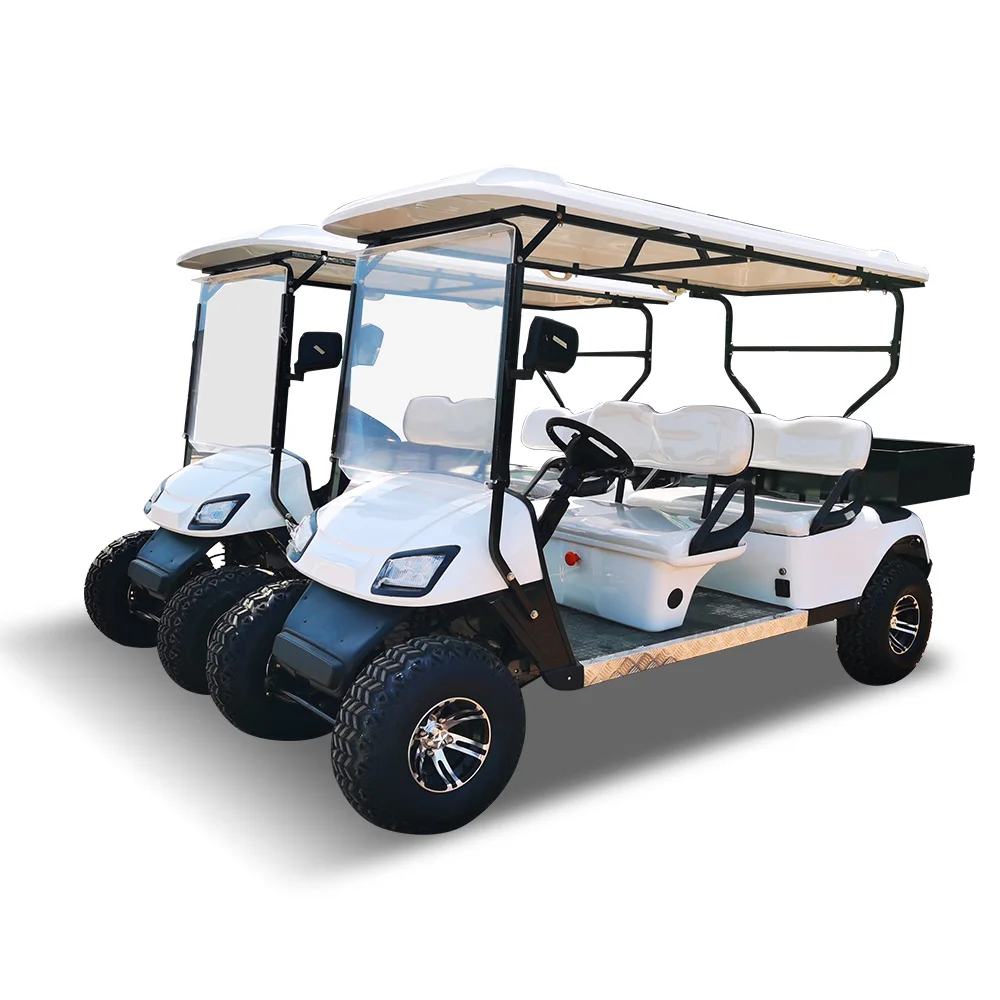
Advanced Suspension and Chassis Design
Independent Suspension Systems
Contemporary golf cart manufacturers have revolutionized ride comfort through the implementation of independent suspension systems. These advanced mechanisms allow each wheel to move independently, significantly reducing the transfer of bumps and vibrations to the passenger compartment. The independent suspension design provides superior handling characteristics while maintaining optimal tire contact with the ground surface. This technology ensures that passengers experience a smoother ride even when traversing uneven terrain or navigating challenging course conditions.
The engineering behind independent suspension involves sophisticated shock absorbers and spring assemblies that work in harmony to absorb road imperfections. Manufacturers utilize computer-aided design software to optimize the geometry of suspension components, ensuring maximum effectiveness across various load conditions. This attention to detail results in golf carts that deliver consistent performance whether carrying a single passenger or multiple occupants with their equipment.
Reinforced Frame Construction
Safety improvements in modern golf cart design begin with robust frame construction that provides exceptional structural integrity. Manufacturers employ high-strength steel tubing and advanced welding techniques to create chassis that can withstand significant impact forces while maintaining passenger protection. The reinforced frame design incorporates crumple zones and strategic reinforcement points that enhance overall vehicle safety during collision scenarios.
The manufacturing process involves precision cutting and forming of steel components using computer-controlled machinery. This approach ensures consistent quality and dimensional accuracy across all production units. Additionally, manufacturers apply advanced coating technologies to protect the frame from corrosion and environmental damage, extending the operational lifespan of the vehicle while maintaining structural reliability.
Enhanced Safety Features and Technology
Intelligent Braking Systems
Modern electric golf cart manufacturers have integrated sophisticated braking technologies that significantly improve stopping performance and overall safety. These systems often feature regenerative braking capabilities that not only enhance stopping power but also contribute to battery efficiency by recovering energy during deceleration. The intelligent braking systems incorporate electronic controls that monitor wheel speed and apply appropriate braking force to prevent wheel lockup and maintain vehicle stability.
The implementation of anti-lock braking systems in premium golf cart models represents a significant advancement in safety technology. These systems prevent wheel skidding during emergency braking situations, allowing drivers to maintain steering control while achieving maximum stopping effectiveness. Manufacturers conduct extensive testing to calibrate these systems for optimal performance across various surface conditions and loading scenarios.
Advanced Lighting and Visibility Systems
Comprehensive lighting systems have become standard features in modern golf cart designs, addressing safety concerns during low-light conditions and early morning or evening operations. LED technology has revolutionized golf cart lighting by providing bright, energy-efficient illumination that enhances visibility without significantly impacting battery performance. These systems typically include headlights, taillights, turn signals, and brake lights that meet or exceed automotive safety standards.
Manufacturers also incorporate reflective materials and high-visibility color schemes to improve the conspicuity of golf carts during operation. Advanced models feature integrated lighting systems that automatically adjust brightness based on ambient conditions, ensuring optimal visibility while conserving battery power. Some manufacturers have introduced innovative lighting solutions such as underbody illumination and perimeter lighting that further enhance safety during nighttime operations.
Ergonomic Design and Comfort Features
Optimized Seating Systems
The development of ergonomically designed seating systems represents a major focus area for golf cart manufacturers seeking to improve passenger comfort during extended use periods. These systems incorporate orthopedic principles to provide proper lumbar support and reduce fatigue during long rides. Premium seating options feature memory foam cushioning, adjustable positioning mechanisms, and breathable fabric materials that enhance comfort across various weather conditions.
Manufacturers conduct extensive ergonomic studies to determine optimal seating dimensions and positioning for users of different body types and sizes. The resulting designs accommodate a wide range of passengers while maintaining consistent comfort levels. Advanced seating systems also incorporate safety features such as integrated seat belts and side bolsters that provide additional protection during vehicle operation.
Climate Control and Weather Protection
Contemporary golf cart designs often include comprehensive weather protection systems that shield passengers from environmental elements while maintaining comfort during operation. These systems range from basic canopy tops to fully enclosed cabins with heating and cooling capabilities. Manufacturers utilize advanced materials and design techniques to create weather protection solutions that are both lightweight and durable.
The integration of climate control systems in premium electric golf cart models provides passengers with customizable comfort settings regardless of external weather conditions. These systems are designed to operate efficiently without significantly impacting battery performance, utilizing smart controls that optimize energy consumption based on actual comfort requirements.
Battery Technology and Power Management
Lithium Battery Integration
The transition to lithium battery technology has transformed electric golf cart performance by providing superior power density, extended range, and reduced maintenance requirements. Lithium batteries offer significant weight savings compared to traditional lead-acid alternatives, improving overall vehicle handling and efficiency. These advanced battery systems incorporate sophisticated management electronics that monitor cell health, optimize charging cycles, and provide predictive maintenance information.
Manufacturers have developed specialized mounting systems and cooling solutions to ensure optimal lithium battery performance and longevity. The integration process involves careful consideration of thermal management, electrical isolation, and safety protocols to prevent potential hazards. Advanced battery management systems provide real-time monitoring of voltage, current, and temperature parameters to ensure safe and reliable operation under all conditions.
Smart Power Distribution Systems
Modern golf cart manufacturers implement intelligent power distribution systems that optimize energy utilization across various vehicle subsystems. These systems prioritize power allocation based on operational requirements, ensuring that critical functions such as propulsion and safety systems receive adequate power while managing auxiliary loads efficiently. The smart distribution approach extends battery life and improves overall vehicle reliability.
The implementation of regenerative systems allows golf carts to recover energy during braking and downhill operation, effectively extending range and reducing charging frequency. Manufacturers continue to refine these systems to maximize energy recovery while maintaining smooth operation and rider comfort. Advanced models feature user-selectable power modes that allow operators to optimize performance based on specific operational requirements and conditions.
Manufacturing Quality and Testing Standards
Rigorous Quality Control Processes
Leading golf cart manufacturers implement comprehensive quality control processes that ensure consistent product reliability and safety performance. These processes begin with incoming material inspection and continue through every stage of the manufacturing process, including final vehicle testing and validation. Manufacturers utilize statistical process control methods to identify and eliminate potential quality issues before they impact production.
The quality control framework includes extensive testing protocols that evaluate vehicle performance under various operating conditions and load scenarios. These tests assess critical safety systems, comfort features, and overall reliability to ensure that each vehicle meets established performance standards. Manufacturers maintain detailed quality records that enable continuous improvement initiatives and rapid response to any identified issues.
Safety Certification and Compliance
Modern golf cart manufacturers must comply with increasingly stringent safety regulations that govern vehicle design, construction, and performance characteristics. These regulations address various aspects of vehicle safety including structural integrity, electrical systems, and operational controls. Manufacturers work closely with regulatory agencies to ensure that their products meet or exceed all applicable safety standards.
The certification process involves extensive testing by independent laboratories that validate compliance with relevant safety standards. This testing includes crash simulation, electrical safety evaluation, and performance verification under extreme operating conditions. Manufacturers maintain ongoing compliance monitoring programs to ensure that production vehicles continue to meet safety requirements throughout the product lifecycle.
FAQ
What makes modern electric golf carts safer than older models
Modern electric golf carts incorporate numerous safety improvements including reinforced frame construction, advanced braking systems with regenerative capabilities, comprehensive lighting packages, and intelligent power management systems. These vehicles feature improved stability through better weight distribution and lower center of gravity design. Additionally, contemporary models include safety features such as seat belts, roll bars in some configurations, and emergency shut-off systems that were not commonly found in older golf cart designs.
How do manufacturers improve ride comfort in golf carts
Manufacturers enhance ride comfort through several key improvements including independent suspension systems that reduce vibration and impact transmission, ergonomically designed seating with proper lumbar support and cushioning, and optimized vehicle geometry that provides better weight distribution. Climate control systems, weather protection features, and reduced noise levels through electric drivetrain technology also contribute significantly to passenger comfort during operation.
What role does battery technology play in golf cart safety and comfort
Advanced battery technology, particularly lithium systems, contributes to both safety and comfort by providing reliable power delivery, reduced weight for better handling, and consistent performance throughout the discharge cycle. Modern battery management systems include safety features such as thermal monitoring, overcharge protection, and fault detection that prevent potentially dangerous situations. The improved efficiency and range of modern batteries also enhance user comfort by reducing range anxiety and charging frequency requirements.
How do manufacturers test golf cart safety and comfort features
Manufacturers employ comprehensive testing protocols that include laboratory testing of individual components, real-world field testing under various operating conditions, and simulated stress testing that exceeds normal usage parameters. Safety testing includes crash simulation, electrical system validation, and performance verification under extreme weather conditions. Comfort testing involves ergonomic evaluation with test subjects of various sizes, vibration analysis, and long-duration operation studies to assess fatigue factors and overall user satisfaction.