
 EN
EN



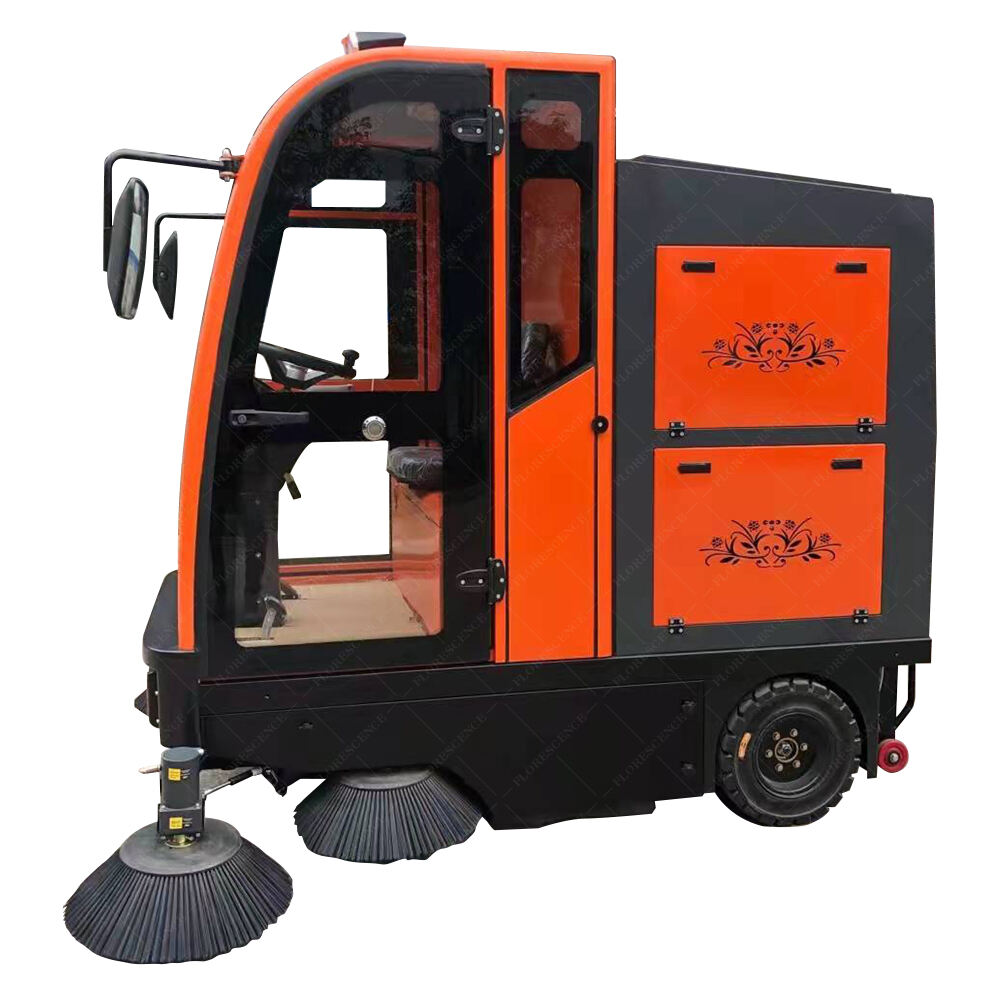
The golf industry is experiencing a revolutionary transformation as facilities worldwide embrace sustainable transportation solutions. Electric golf trucks have emerged as the cornerstone of this green revolution, offering unprecedented environmental benefits while maintaining the reliability and performance that modern golf courses demand. These innovative vehicles represent more than just a trend; they embody a fundamental shift toward responsible resource management and operational excellence in recreational facilities.
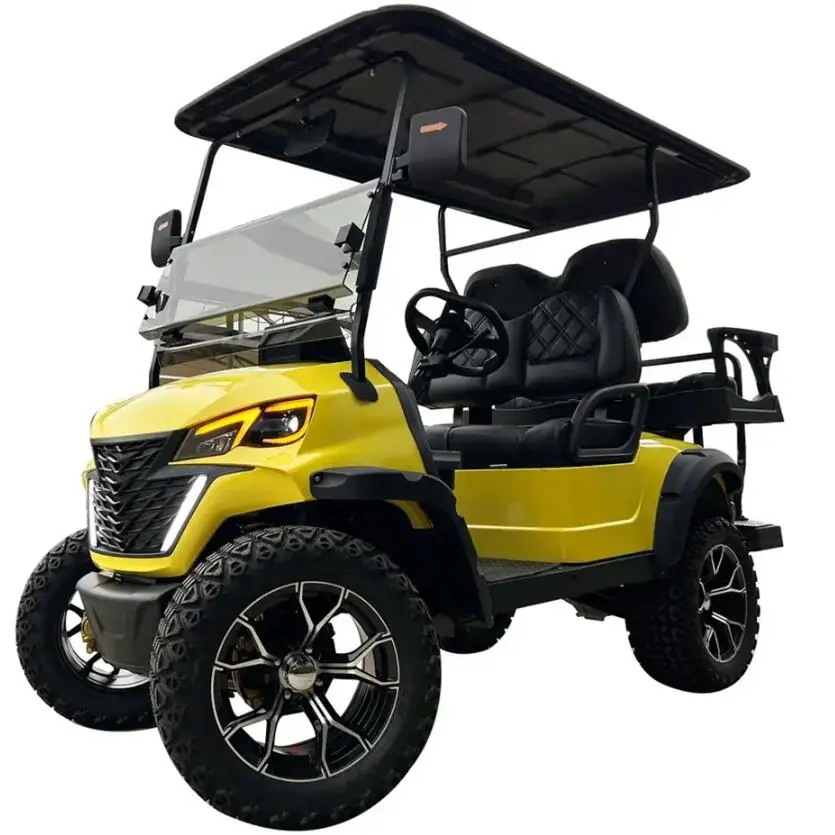
Modern golf courses face mounting pressure to reduce their environmental footprint while delivering exceptional experiences to players and maintaining operational efficiency. Electric golf trucks address these challenges by eliminating harmful emissions, reducing noise pollution, and providing consistent performance throughout extended use cycles. Their advanced battery technology and regenerative braking systems contribute to substantial energy savings, making them an intelligent investment for forward-thinking golf facility managers.
Environmental Benefits of Electric Golf Trucks
Zero Emission Operations
Traditional gas-powered golf carts contribute significantly to air pollution and greenhouse gas emissions, particularly in enclosed or semi-enclosed golf course environments. Electric golf trucks eliminate these concerns entirely by producing zero direct emissions during operation. This fundamental advantage creates cleaner air quality for players, staff, and surrounding communities while supporting global climate change mitigation efforts.
The absence of combustion engines means no release of carbon monoxide, nitrogen oxides, or particulate matter that traditionally plague internal combustion vehicles. Golf courses adopting electric golf trucks can proudly market themselves as environmentally responsible facilities, attracting eco-conscious players and potentially qualifying for green certification programs. This environmental stewardship often translates into positive publicity and enhanced reputation within the community.
Reduced Noise Pollution
Quiet operation represents another significant environmental advantage of electric golf trucks over their gas-powered counterparts. Traditional golf carts generate substantial engine noise that can disrupt the peaceful atmosphere golf courses strive to maintain. Electric models operate virtually silently, preserving the natural tranquility that enhances the overall golfing experience.
This noise reduction benefits extend beyond player satisfaction to wildlife preservation. Golf courses often serve as habitats for various bird species and small animals. The quieter operation of electric golf trucks minimizes disruption to these ecosystems, supporting biodiversity conservation efforts. Additionally, reduced noise pollution creates more pleasant working conditions for golf course maintenance staff and other personnel who interact with these vehicles daily.
Energy Efficiency and Renewable Integration
Electric golf trucks demonstrate superior energy efficiency compared to internal combustion alternatives, converting a higher percentage of stored energy into useful work. This efficiency translates into lower operational costs and reduced environmental impact, even when accounting for electricity generation. Many golf facilities are pairing their electric vehicle fleets with solar panel installations, creating completely renewable transportation systems.
The potential for renewable energy integration makes electric golf trucks particularly attractive for sustainability-focused golf courses. Solar charging stations can power entire fleets using clean energy, effectively creating carbon-neutral transportation solutions. This synergy between electric vehicles and renewable energy sources positions golf courses as leaders in sustainable recreational facility management.
Reliability and Performance Characteristics
Advanced Battery Technology
Modern electric golf trucks utilize sophisticated lithium-ion battery systems that deliver exceptional reliability and longevity. These advanced power sources provide consistent performance throughout their discharge cycles, ensuring reliable operation from the first hole to the final green. Unlike older lead-acid systems, contemporary batteries maintain stable voltage output and require minimal maintenance intervention.
Battery management systems continuously monitor cell performance, temperature, and charging status to optimize longevity and prevent premature degradation. These intelligent systems provide real-time diagnostics and predictive maintenance alerts, allowing facility managers to address potential issues before they impact operations. The result is significantly reduced downtime and more predictable maintenance schedules compared to traditional gas-powered alternatives.
Consistent Torque Delivery
Electric motors provide instant and consistent torque delivery across their entire speed range, resulting in smooth acceleration and reliable hill-climbing performance. This characteristic proves particularly valuable on challenging golf course terrain where consistent power delivery ensures safe and comfortable transportation regardless of topographical conditions. Players experience smoother rides with less jarring acceleration or deceleration.
Unlike internal combustion engines that require warm-up periods and experience performance variations based on operating temperature, electric golf trucks deliver peak performance immediately upon activation. This reliability eliminates the frustration of stalled or sluggish vehicles during peak playing times, ensuring consistent service quality throughout the day.
Operational Cost Advantages
Reduced Maintenance Requirements
Electric golf trucks require significantly less maintenance than their gas-powered counterparts due to fewer moving parts and the absence of complex internal combustion systems. There are no oil changes, spark plug replacements, air filter cleanings, or fuel system maintenance requirements. This simplification reduces both direct maintenance costs and the labor hours required for routine service intervals.
The reduced maintenance burden allows golf course staff to focus on other operational priorities while minimizing vehicle downtime. Preventive maintenance primarily involves battery care, tire rotation, and brake inspection, all of which can be scheduled during off-season periods. This predictable maintenance schedule helps facility managers budget more accurately and avoid unexpected repair expenses.
Brake systems on electric golf trucks often last longer due to regenerative braking technology that reduces wear on traditional friction brakes. This innovation extends component life while contributing to the overall energy efficiency of the vehicle through energy recovery during deceleration.
Lower Operating Costs
Electricity costs significantly less than gasoline on a per-mile basis, providing substantial ongoing savings for golf course operations. These savings become particularly pronounced as fuel prices fluctuate, offering more predictable operating costs that facilitate accurate budget planning. Many facilities report 60-80% reductions in fuel costs after transitioning to electric fleets.
Time-of-use electricity rates allow savvy operators to charge their electric golf trucks during off-peak hours when electricity prices are lowest. This strategic charging approach maximizes cost savings while ensuring vehicles are ready for peak usage periods. Smart charging systems can automatically optimize charging schedules to take advantage of favorable rate structures.
Technological Innovations and Features
Smart Charging Systems
Contemporary electric golf trucks incorporate intelligent charging systems that optimize battery life and operational efficiency. These systems automatically adjust charging parameters based on battery condition, ambient temperature, and usage patterns. Smart chargers prevent overcharging and deep discharge cycles that could damage battery cells, extending overall system lifespan.
Many charging systems include connectivity features that allow remote monitoring and management through smartphone applications or web-based interfaces. Facility managers can track charging status, energy consumption, and maintenance schedules from any location, enabling proactive fleet management. These digital tools provide valuable data for optimizing operations and identifying efficiency improvement opportunities.
GPS and Fleet Management Integration
Advanced electric golf trucks often include GPS tracking and fleet management capabilities that enhance operational oversight and security. These systems provide real-time location data, usage statistics, and performance metrics that help optimize fleet deployment and identify maintenance needs. Geofencing capabilities can restrict vehicle operation to designated areas, preventing unauthorized use or theft.
Fleet management software generates detailed reports on vehicle utilization, energy consumption, and maintenance requirements. This data enables evidence-based decision making regarding fleet size, replacement schedules, and operational procedures. The insights gained from these systems often reveal opportunities for further cost savings and efficiency improvements.
Long-term Investment Value
Durability and Lifespan
Quality electric golf trucks are engineered for extended service life with minimal performance degradation over time. Robust construction materials and simplified mechanical systems contribute to exceptional durability that withstands the demanding conditions of daily golf course operations. Many manufacturers offer warranties that reflect confidence in their products' longevity and reliability.
Battery technology improvements have significantly extended the useful life of electric golf trucks, with many systems providing reliable service for 8-10 years or more with proper maintenance. The absence of engine wear and reduced mechanical stress points contribute to overall vehicle longevity, maximizing return on investment for golf course operators.
Resale Value and Market Demand
Growing environmental awareness and regulatory pressure are driving increased demand for electric golf trucks in the used vehicle market. Well-maintained electric vehicles often retain higher resale values compared to gas-powered alternatives, particularly as newer facilities seek to avoid the infrastructure costs associated with fuel storage and handling systems.
The expanding market for sustainable transportation solutions creates multiple opportunities for facilities looking to upgrade their fleets. Leasing programs and trade-in incentives from manufacturers help offset initial acquisition costs while ensuring access to the latest technology improvements and efficiency enhancements.
FAQ
How long do electric golf truck batteries typically last?
Modern lithium-ion batteries in electric golf trucks typically provide 8-10 years of reliable service with proper maintenance and charging practices. Battery lifespan depends on usage patterns, charging frequency, storage conditions, and maintenance quality. Many manufacturers offer warranties covering battery performance for 5-8 years, providing peace of mind for facility operators.
What is the typical charging time for electric golf trucks?
Standard charging times range from 6-8 hours for a complete charge using conventional charging systems. Fast-charging options can reduce this time to 2-4 hours, though this may impact battery longevity if used exclusively. Most golf courses charge their fleets overnight during off-peak electricity rate periods, ensuring vehicles are ready for daily operations.
How do electric golf trucks perform in various weather conditions?
Electric golf trucks demonstrate excellent performance across diverse weather conditions, with battery management systems maintaining optimal operation in temperatures ranging from -10°F to 120°F. Cold weather may slightly reduce range, while hot conditions are managed through thermal regulation systems. Waterproof electrical components ensure reliable operation in wet conditions common on golf courses.
What infrastructure changes are required for electric golf truck adoption?
Transitioning to electric golf trucks requires installing appropriate charging infrastructure, typically involving 110V or 220V electrical connections in storage areas. Many facilities benefit from upgrading electrical service capacity to support simultaneous charging of multiple vehicles. Solar panel installations can offset electricity consumption while demonstrating environmental commitment to players and community members.